Mid-Autumn Festival 2026: Date, Meaning & Traditions
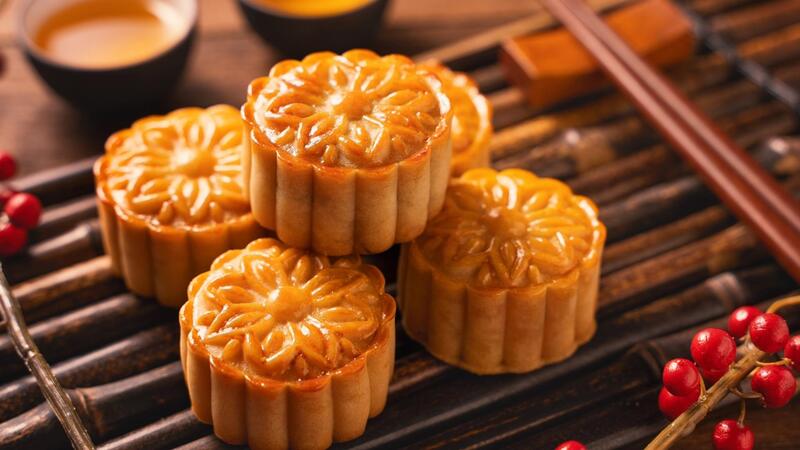
The Mid-Autumn Festival 2026 will take place on Friday, 25 September 2026. Also known as the Moon Festival or Mooncake Festival, it is traditionally observed on the 15th day of the eighth month of the Chinese lunar calendar, when the full moon is associated with reunion, togetherness and the harvest.
In Malaysia, the festival is familiar for its mooncakes, lanterns, family gatherings and festive decorations. However, there is more to the celebration than mooncakes. The festival has deep cultural connections with the moon, seasonal change, harvest traditions and the idea of bringing people together.
Table of Contents
- What Is the Mid-Autumn Festival?
- What Does Mid-Autumn Festival Mean?
- Why Is the Mid-Autumn Festival Celebrated?
- What Is the Story Behind the Mid-Autumn Festival?
- Why Do People Eat Mooncakes During Mid-Autumn Festival?
- What Are the Traditional Mooncake Flavours?
- What Are Common Mid-Autumn Festival Traditions?
- Mid-Autumn Festival vs Mooncake Festival: Are They the Same?
- Is Mid-Autumn Festival a Public Holiday in Malaysia?
- Why Does Mid-Autumn Festival Remain Relevant Today?
- Frequently Asked Questions About Mid-Autumn Festival 2026
- Final Thoughts
- Related Articles
- Disclaimer
- References
What Is the Mid-Autumn Festival?
The Mid-Autumn Festival is a traditional festival associated with the full moon on the 15th day of the eighth lunar month.
It is also commonly called:
- Mid-Autumn Festival
- Moon Festival
- Mooncake Festival
- Mid-Autumn Moon Festival
- 中秋节 (Zhōngqiū Jié)
The Smithsonian describes the festival as a time when families and friends gather to appreciate the full moon, celebrate the harvest and enjoy mooncakes and other festive foods. The round moon is traditionally associated with reunion and togetherness.
Although the festival has strong roots in Chinese culture, Mid-Autumn celebrations are also observed in different forms across East and Southeast Asia. Customs vary between countries and communities, reflecting different cultural histories and traditions.
Explore Jobs by Specialty
Select a category below to view active openings immediately:
What Does Mid-Autumn Festival Mean?
The meaning of the Mid-Autumn Festival has evolved over time.
Historically, the festival was connected to the autumn harvest and seasonal cycles. In traditional agricultural societies, the full moon and changing seasons were closely connected to farming and the harvest.
Today, the festival is often associated with:
- Family reunion
- Gratitude
- Togetherness
- Harvest and abundance
- Good wishes
- Appreciation of family and relationships
- Hope for happiness and prosperity
The symbolism of the full moon is particularly important. Because the moon appears round and complete, it has traditionally been associated with reunion and completeness. The Smithsonian notes that families gathering to appreciate the full moon continue a long-standing tradition connected with harvest and togetherness.
This is why family reunion is one of the most commonly associated themes of the Mid-Autumn Festival.
Why Is the Mid-Autumn Festival Celebrated?
The festival has connections to ancient seasonal and agricultural traditions.
The autumn period represented an important point in the agricultural calendar, when communities could celebrate the results of the harvest. Over time, customs surrounding the moon, harvest and family gatherings became incorporated into the festival.
The Smithsonian describes Chinese seasonal festivals as occasions that connect people with nature, changing seasons, cultural heritage and relationships with others.
The festival therefore carries both historical and modern significance.
For many people today, it is less about the agricultural meaning of the harvest and more about making time for family, maintaining cultural traditions and sharing meaningful moments with others.
What Is the Story Behind the Mid-Autumn Festival?
There are several legends associated with the Mid-Autumn Festival, and versions can vary across regions and traditions.
One of the best-known stories is the legend of Chang'e (嫦娥), the Moon Goddess, and Hou Yi (后羿).
The Legend of Chang'e & Hou Yi:
According to the popular legend, Hou Yi was a skilled archer who saved people from the heat of multiple suns. He later received an elixir of immortality. Chang'e eventually consumed the elixir and flew to the moon, where she became associated with the lunar world.
The story has become closely connected with Mid-Autumn Festival folklore, although it is important to distinguish traditional mythology from documented historical origins of the festival.
The Smithsonian's National Museum of Asian Art also presents the Chang'e and Hou Yi story as one of the important legends associated with the Moon Festival.
Another recurring figure in Mid-Autumn folklore is the Jade Rabbit, often associated with the moon and Chang'e.
These stories continue to appear in festival decorations, children's activities, cultural performances, and educational materials.
Why Do People Eat Mooncakes During Mid-Autumn Festival?
Mooncakes are one of the most recognisable foods associated with the Mid-Autumn Festival.
The round shape of many traditional mooncakes echoes the shape of the full moon and reinforces the festival's themes of reunion and completeness.
The Smithsonian notes that mooncakes, with sweet or savoury fillings, have become closely associated with the Mid-Autumn Festival.
Mooncakes are also commonly exchanged as gifts between:
- Family members
- Friends
- Colleagues
- Business partners
- Clients
- Other people within one's social and professional network
As a result, mooncakes have become both a festive food and a form of gift-giving during Mid-Autumn Festival.
What Are the Traditional Mooncake Flavours?
Traditional mooncake varieties differ by region, but some familiar flavours include:
Lotus Seed Paste Mooncakes
Lotus seed paste is one of the best-known traditional mooncake fillings.
It is smooth, rich and mildly sweet, and may be combined with salted egg yolks.
Salted Egg Yolk Mooncakes
Salted egg yolks are often placed in the centre of mooncakes filled with lotus seed paste or other sweet fillings.
The combination of sweet paste and savoury egg yolk is one of the most recognisable traditional mooncake combinations.
Red Bean Mooncakes
Red bean paste is another traditional filling found in many varieties of Chinese pastries and mooncakes.
Mixed Nuts and Seeds
Some traditional mooncakes contain a mixture of nuts, seeds and other ingredients, creating a more textured filling.
Snow Skin Mooncakes
Snow skin mooncakes are different from traditional baked mooncakes because their outer layer is soft and chewy rather than baked and golden.
They are often served chilled and can feature a wide range of contemporary fillings.
Explore Jobs by Specialty
Select a category below to view active openings immediately:
What Are Common Mid-Autumn Festival Traditions?
Mid-Autumn Festival customs differ across countries, regions and families. However, several traditions are widely associated with the celebration.
- Eating Mooncakes
Eating mooncakes is perhaps the most widely recognised Mid-Autumn Festival custom.
Families may share mooncakes at home, while businesses and individuals may exchange them as festive gifts. - Family Reunions
Family gatherings are central to the festival's symbolism.
Because the full moon represents completeness and reunion, Mid-Autumn Festival provides an opportunity for family members to spend time together. - Admiring the Full Moon
Moon viewing, sometimes referred to as moon gazing, is another traditional activity.
Families and friends may gather outdoors, enjoy tea and mooncakes, and spend time appreciating the full moon. - Carrying Lanterns
Lanterns are strongly associated with Mid-Autumn Festival celebrations, particularly among children.
Traditional lanterns may be made from paper, while modern celebrations can feature elaborate light installations and creative lantern designs. - Sharing Tea
Tea pairs naturally with mooncakes and can help balance their richness.
Tea-drinking can also provide a relaxed setting for family members, friends and colleagues to gather and talk. - Giving Mooncakes as Gifts
Mooncake gifting has become an important part of modern Mid-Autumn Festival celebrations.
People may give mooncakes to family members, friends, colleagues, clients and business partners as a way of expressing good wishes.
Mid-Autumn Festival vs Mooncake Festival: Are They the Same?
Yes. Mid-Autumn Festival, Moon Festival and Mooncake Festival generally refer to the same traditional festival, although the preferred name may differ depending on the country, community or context.
- “Mid-Autumn Festival” is the most widely used English name.
- “Moon Festival” highlights the importance of the full moon.
- “Mooncake Festival” highlights one of the festival's most recognisable foods.
In Chinese, the festival is known as 中秋节 (Zhōngqiū Jié).
For Malaysian audiences, 中秋节, Mid-Autumn Festival and Mooncake Festival are all useful search terms when looking for information about the celebration.
Is Mid-Autumn Festival a Public Holiday in Malaysia?
No. Mid-Autumn Festival is not a nationwide Malaysian public holiday.
Although the festival is widely celebrated culturally, it is not included among Malaysia's nationwide public holidays for 2026. The official Malaysian diplomatic holiday listings distinguish Malaysian public holidays from Mid-Autumn Festival, which is listed for China on 25 September 2026.
This means that Malaysian families and communities may celebrate the festival while businesses and schools generally continue operating according to their normal schedules.
Why Does Mid-Autumn Festival Remain Relevant Today?
Festivals survive not simply because people repeat old customs, but because traditions continue to acquire meaning in changing societies.
Mid-Autumn Festival provides an example of this process.
- The mooncakes may change.
- The packaging may become more modern.
- Lantern designs may become more creative.
- Festive events may take place in shopping centres, heritage areas and public spaces.
Yet the central themes of reunion, gratitude, sharing and cultural connection remain recognisable.
Recent Malaysian celebrations demonstrate this balance between heritage and modernity. Traditional mooncakes continue to be popular while new flavours and formats are introduced for younger consumers. At the same time, community events increasingly present the festival as a shared cultural experience.
This ability to adapt may be one reason the festival remains relevant to new generations.
Frequently Asked Questions About Mid-Autumn Festival 2026
When is Mid-Autumn Festival 2026?
Mid-Autumn Festival 2026 falls on Friday, 25 September 2026. It is celebrated on the 15th day of the eighth month of the Chinese lunar calendar.
What is Mid-Autumn Festival?
Mid-Autumn Festival is a traditional festival associated with the full moon, family reunion, harvest traditions and mooncakes. It is also known as the Moon Festival or Mooncake Festival.
Why do people eat mooncakes during Mid-Autumn Festival?
Mooncakes are traditionally associated with the festival and their round shape is linked with the symbolism of the full moon, completeness and family reunion.
What are common Mid-Autumn Festival traditions?
Common traditions include eating mooncakes, giving mooncakes as gifts, gathering with family, appreciating the full moon, carrying lanterns and enjoying tea.
What does the full moon symbolise during Mid-Autumn Festival?
The round full moon is traditionally associated with completeness, reunion and togetherness.
Is Mid-Autumn Festival a public holiday in Malaysia?
No. Mid-Autumn Festival is not listed as a nationwide Malaysian public holiday for 2026. It is nevertheless widely observed culturally by communities across the country.
What is 中秋节?
中秋节 (Zhōngqiū Jié) is the Chinese name for Mid-Autumn Festival. The festival is celebrated on the 15th day of the eighth month of the Chinese lunar calendar.
Final Thoughts
Mid-Autumn Festival 2026 falls on 25 September, but the festival is about more than a date on the calendar.
From traditional mooncakes and lanterns to family gatherings and modern cultural events, the celebration continues to evolve while retaining its core themes of reunion, gratitude and connection.
In Malaysia, the festival also reflects the country's multicultural character. Traditional customs can be preserved while being shared, adapted and experienced by people from different backgrounds.
Whether you celebrate with a traditional lotus paste mooncake, try a modern flavour, carry a lantern with your children or simply spend time with family, Mid-Autumn Festival offers an opportunity to pause, reconnect and appreciate the people around you.
Happy Mid-Autumn Festival 2026. 中秋快乐!
Explore Jobs by Specialty
Select a category below to view active openings immediately:
Related Articles
- Chinese New Year Traditions & Taboos to Avoid
- Plan Your Leave with Malaysia’s Public Holiday Calendar 2026
- Mid-Autumn Festival Wishes and Messages 2026
Disclaimer
The information provided in our blog articles is intended for general informational purposes only. It is not a substitute for professional advice and should not be relied upon as such.
While we strive to provide accurate and up-to-date information, the ever-evolving nature of certain topics may result in content becoming outdated or inaccurate over time. Therefore, we recommend consulting with qualified professionals or experts in the respective fields for specific advice or guidance. Any actions taken based on the information contained in our blog articles are solely at the reader's discretion and risk. We do not assume any responsibility or liability for any loss, damage, or adverse consequences incurred as a result of such actions.
We may occasionally provide links to external websites or resources for further information or reference. These links are provided for convenience and do not imply endorsement or responsibility for the content or accuracy of these external sources. Our blog articles may also include personal opinions, views, or interpretations of the authors, which do not necessarily reflect the views of our organisation as a whole. We encourage readers to verify the accuracy and relevance of information presented in our blog articles and to seek professional advice when needed.
Your use of this website and its content constitutes acceptance of this disclaimer.
References
- Smithsonian Folklife Festival — Four Festivals: Mid-Autumn/Moon Festival
- Smithsonian National Museum of Asian Art — Moon Festival: Teaching China with the Smithsonian
- Ministry of Foreign Affairs Malaysia — List of Public Holidays for 2026
- The Star — Tradition meets new trends
- The Star — Sisters share mooncake tradition across cultures
- The Star — Mooncakes, lanterns galore
- The Star — Art with grains of thanks
- The Star — Mid-Autumn magic lights up Petaling Street
- The Star — Ancient tales take centre stage
Related Post
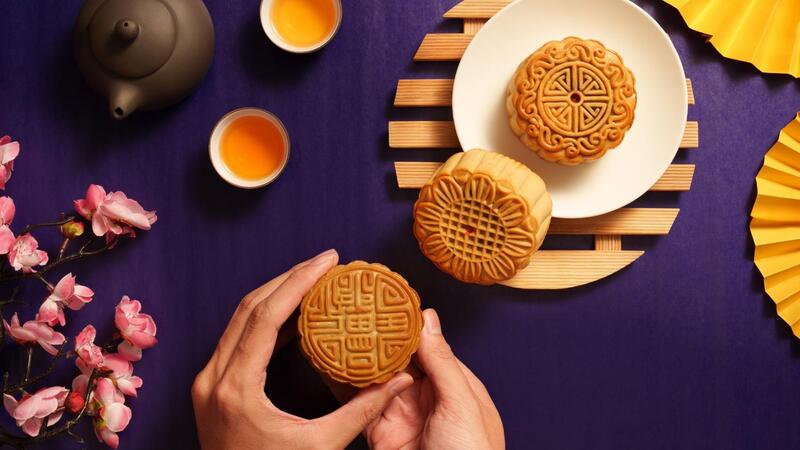 Mid-Autumn Festival Wishes and Messages 2026General
Looking for Mid-Autumn Festival wishes 2026 to share with your family, friends, colleagues, clients or business partners? Mid-Autumn Festival...
 “I’m Here for You”: When the Reeracoen Way Became More Than WordsGeneral
In a children’s village in the Philippines, far from Reeracoen’s offices across Asia, a familiar message began to play. “I’m Here for You.” This...
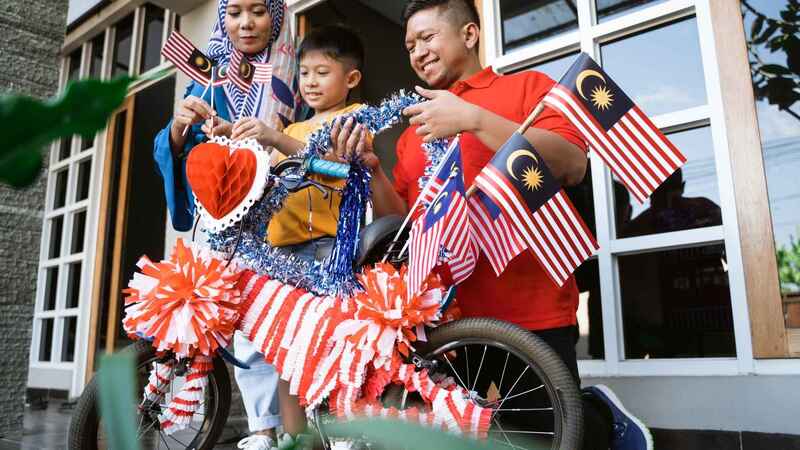 Merdeka Day 2026: Best Wishes, Greetings & MessagesGeneral
Merdeka Day 2026, also known as Malaysia National Day or Hari Kebangsaan, will be celebrated on 31 August 2026. This year marks the 69th...
 How to Claim Free HRD Corp Courses: A Guide for Malaysian EmployeesGeneral
In today’s competitive job market, continuous learning and skills development have become essential for career growth. Whether you are looking to...