Chinese New Year Traditions & Taboos to Avoid
GeneralDecember 30, 2025 09:00
Chinese New Year Traditions & Taboos to Avoid
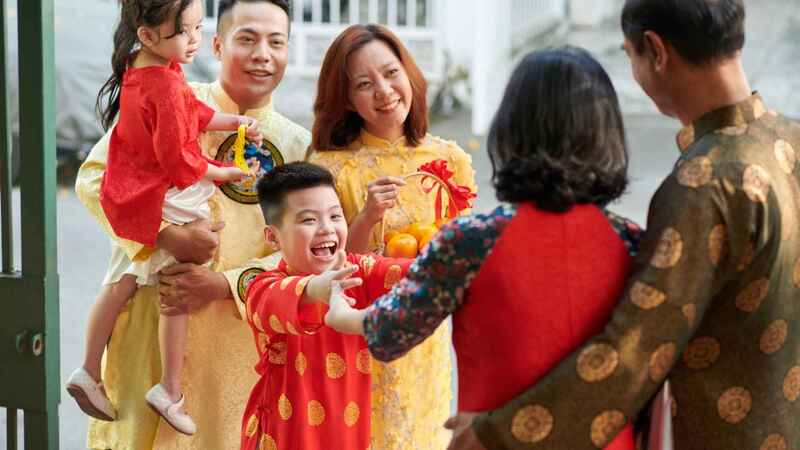
Chinese New Year, also known as Spring Festival or Lunar New Year, is one of the most significant cultural celebrations observed by Chinese communities worldwide, including Malaysia, Singapore, and across Southeast Asia. This annual festival is rich in traditional customs, symbolic rituals, and cultural taboos rooted in centuries-old belief systems intended to bring good luck, prosperity, harmony, and abundance in the coming year.
What Is Chinese New Year?
Chinese New Year marks the beginning of the lunar calendar’s first month (usually between January and February) and symbolises renewal, family reunion, and blessings for the year ahead. Typical activities include decorating homes with red symbols, giving red envelopes (hongbao), preparing auspicious meals, performing dragon and lion dances, and visiting relatives.
Popular Chinese New Year Traditions
1. Decorating with Red and Auspicious Symbols
Red is the dominant colour during Spring Festival because it represents joy, luck, and prosperity. Households decorate with red lanterns, spring couplets, 福 (fu) characters, and other symbols to attract positive fortune.
2. Giving Red Envelopes (Hongbao)
Red envelopes filled with money are traditionally given to children and unmarried family members to convey blessings and wealth. The ritual of hongbao giving is an essential Lunar New Year custom symbolising goodwill and financial blessing.
3. Family Reunion Dinner
The night before Chinese New Year is typically reserved for a large family feast with symbolic dishes such as fish (for surplus), rice cakes (for advancement), and sweet foods (for happiness and harmony).
4. Lion and Dragon Dances
Performances such as lion dance and dragon dance are believed to ward off negative forces and invite good fortune and community cohesion.
Taboos to Avoid During Chinese New Year
While traditions focus on attracting luck, a significant part of the celebration involves avoiding actions that are believed to bring misfortune or bad energy during the festival period. These taboos are based on cultural beliefs passed down through generations.
1. Avoid Sweeping or Cleaning on New Year’s Day
It is a widespread belief that sweeping or cleaning the house on the first day of Chinese New Year could “sweep away” good luck and wealth just welcomed into the home.
2. Do Not Wash Hair or Clothes
Washing hair or clothes on the first day is traditionally discouraged because water is thought to represent wealth; washing could symbolically wash away fortune for the entire year.
3. Refrain from Negative or Unlucky Words
Using words associated with death, sickness, poverty, loss, or misfortune during Spring Festival is discouraged, as such language is believed to invoke negative energy or attract bad luck.
4. No Cutting Hair or Sharp Objects
Cutting hair on New Year’s Day is forbidden because hair in Chinese (发) is phonetically linked to “prosperity” (发财). Using sharp objects like scissors or knives may symbolically “cut away” good fortune.
5. Avoid Wearing Black or White Clothing
Black and white are traditionally associated with mourning and funeral attire in Chinese culture, and wearing them during festive celebrations may symbolise misfortune rather than celebration.
6. Refrain from Breaking Items
Accidentally breaking dishes or glassware during the festival is considered a bad omen because it suggests a loss of luck or disharmony in the year ahead.
7. Do Not Borrow or Lend Money
Financial transactions such as borrowing or lending money during the Chinese New Year are believed to attract monetary loss or financial instability throughout the year.
8. Avoid Visiting Hospitals or Taking Medicine Unnecessarily
Many families believe visiting a hospital or taking medicine on New Year’s Day can invite illness or misfortune for the entire year unless it is an emergency.
Why Do These Taboos Matter?
Chinese New Year taboos are not just superstitions. They represent centuries of cultural belief, spiritual practice, and community cohesion. Observing (or respectfully understanding) these dos and don’ts during Chinese New Year reflects deep respect for tradition, family values, and collective cultural identity.
Conclusion
Chinese New Year celebrations are rich with meaningful customs that aim to bring joy, prosperity, and familial harmony. Understanding both traditional practices and taboos helps participants to celebrate respectfully while embracing cultural heritage. Whether it’s engaging in lion dances, decorating with auspicious red symbols, or avoiding sweeping on New Year’s Day, each custom plays a part in ushering in a lucky and harmonious Year of the Dragon in 2026.
About us
At Reeracoen Malaysia, we are a leading recruitment and executive search firm, dedicated to connecting top talent with the right employers nationwide. Whether you’re a company seeking qualified professionals or a candidate aiming to advance your career, our expert consultants are here to support you.
🔹 For Employers: Get a Free Consultation to discuss your hiring needs and discover how we can help you find the right talent faster.
🔹 For Jobseekers: Explore the Latest Job Opportunities and take the next step toward your career goals today.
With years of experience in Malaysia’s job market, Reeracoen Malaysia continues to bridge opportunities between employers and job seekers — empowering growth, innovation, and success.

Disclaimer:
The information provided in our blog articles is intended for general informational purposes only. It is not a substitute for professional advice and should not be relied upon as such.
While we strive to provide accurate and up-to-date information, the ever-evolving nature of certain topics may result in content becoming outdated or inaccurate over time. Therefore, we recommend consulting with qualified professionals or experts in the respective fields for specific advice or guidance. Any actions taken based on the information contained in our blog articles are solely at the reader's discretion and risk. We do not assume any responsibility or liability for any loss, damage, or adverse consequences incurred as a result of such actions.
We may occasionally provide links to external websites or resources for further information or reference. These links are provided for convenience and do not imply endorsement or responsibility for the content or accuracy of these external sources. Our blog articles may also include personal opinions, views, or interpretations of the authors, which do not necessarily reflect the views of our organisation as a whole. We encourage readers to verify the accuracy and relevance of information presented in our blog articles and to seek professional advice when needed.
Your use of this website and its content constitutes acceptance of this disclaimer.
Reference
-
Chinese New Year taboos and superstitions — China Highlights: Chinese New Year Traditions & What Not to Do
-
Additional common Lunar New Year taboos — SBS Chinese: Chinese New Year Taboos to Avoid
-
Malaysian cultural context of Chinese New Year — Malaysian Public Library: Chinese New Year Traditions
Related Post
 Merdeka Day 2026: Best Wishes, Greetings & MessagesGeneral
Merdeka Day 2026, also known as Malaysia National Day or Hari Kebangsaan, will be celebrated on 31 August 2026. This year marks the 69th...
 How to Claim Free HRD Corp Courses: A Guide for Malaysian EmployeesGeneral
In today’s competitive job market, continuous learning and skills development have become essential for career growth. Whether you are looking to...
 Online Passport Renewal Malaysia: Step-by-Step Guide and MyImmigration TipsGeneral
Renewing your passport no longer requires spending hours waiting at an immigration counter. With the introduction of online passport renewal...
 Rent-To-Own (RTO) Schemes in Malaysia: A Beginner’s GuideGeneral
Buying a home is a major financial milestone for many Malaysians. However, with rising property prices, increasing living costs, and stricter...