Beyond the Race What F1’s Return to Malaysia Means for Jobs, Talent and the Economy
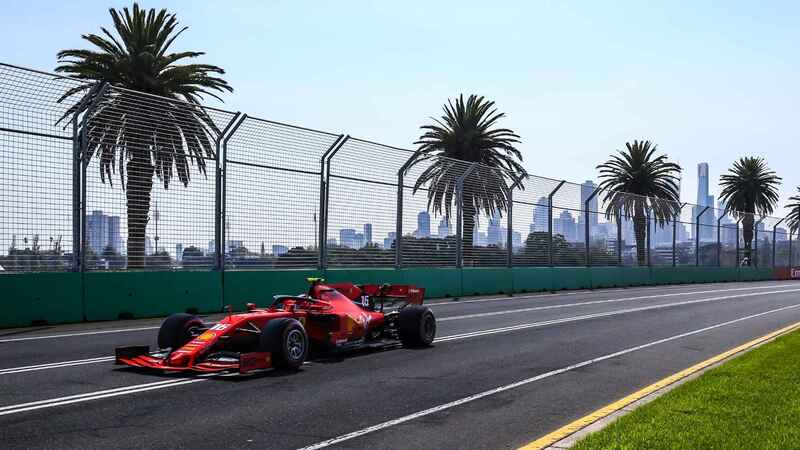
Formula 1 returned to the Sepang International Circuit in October 2026 after a nine-year absence, bringing more than high-speed racing back to Malaysia. The Formula 1 Gulf Air Bahrain Grand Prix was held at Sepang from 2 to 4 October as a relocated race, following the cancellation of the original Bahrain event earlier in the season.
The three-day event attracted a record 261,000 spectators, surpassing Sepang International Circuit’s previous attendance record for the Malaysian Grand Prix. More importantly for Malaysia’s economy, the scale of the event created activity across tourism, hospitality, transport, retail, food and beverage, and other service industries.
Economic estimates reported around the event suggest that the 2026 F1 weekend could generate up to RM1.3 billion in overall economic activity. While the exact long-term economic return will require further assessment, the event provides a useful case study of how an international sporting event can create demand well beyond the race circuit.
For employers and jobseekers, the bigger question is therefore not simply whether Formula 1 is returning to Malaysia. It is what a major international event of this scale reveals about Malaysia’s economy, workforce and future talent needs.
Table of Contents
- Malaysia’s F1 Return: More Than a Sporting Event
- 1. Economic Activity Extends Beyond the Circuit
- 2. Tourism and Hospitality: Demand for More Than Hotel Rooms
- 3. Transport and Logistics Become Critical Infrastructure
- 4. Retail and F&B: Where Economic Activity Becomes Visible
- 5. What Does F1 Mean for Employment Demand?
- 6. The Talent Story Goes Beyond Event Staff
- 7. F1 Can Strengthen Malaysia’s International Business Position
- 8. What Could a Longer-Term F1 Return Mean for Malaysia?
- 9. What This Means for Malaysian Employers and Jobseekers
- Beyond the Race
Malaysia’s F1 Return: More Than a Sporting Event
Malaysia hosted the Formula 1 Malaysian Grand Prix at Sepang from 1999 to 2017. The 2026 event marked the return of F1 racing to the circuit, although it is important to distinguish this from a permanent return to the Formula 1 calendar.
In July 2026, Formula 1 and the FIA confirmed that Sepang would host the 2026 Gulf Air Bahrain Grand Prix from 2 to 4 October. The arrangement allowed the cancelled Bahrain race to remain on the F1 calendar.
The successful event has since reopened discussion about whether Malaysia could host F1 again in the future. Prime Minister Datuk Seri Anwar Ibrahim said discussions had begun with Formula 1 leadership, while also stressing that any future decision would need to consider the event’s national interest, economic benefits and cost implications.
This distinction matters. The immediate story is about a highly successful international event hosted in Malaysia. The longer-term story is about whether Malaysia can convert that exposure and economic activity into sustained value for businesses, workers and the wider economy.
1. Economic Activity Extends Beyond the Circuit
Large international sporting events create an economic chain that extends far beyond ticket sales.
Visitors spend money on accommodation, flights, local transportation, restaurants, shopping, entertainment and other services. Event organisers and suppliers also require a broad ecosystem of operational support, from logistics and security to technology, marketing and event management.
For the 2026 F1 weekend, economists cited tourism, hospitality, retail and aviation among the sectors expected to benefit most strongly. An estimate reported by Bernama placed the potential overall economic impact at between RM1.1 billion and RM1.3 billion, depending on the assumptions used.
The significance is not simply the headline figure. The more important question is how much of this activity reaches local businesses and workers.
When visitors stay longer, eat at local restaurants, use transportation services and spend at retail outlets, the economic impact can spread across multiple layers of the service economy.
This is particularly relevant for Malaysia because the Services sector already represents the largest share of employment. According to the Department of Statistics Malaysia (DOSM), the Services sector accounted for 52.5% of total jobs in the first quarter of 2026.
In other words, an increase in tourism and event-related spending is occurring within a part of the Malaysian economy that already supports a substantial share of the workforce.
2. Tourism and Hospitality: Demand for More Than Hotel Rooms
Tourism is one of the most visible beneficiaries of a major international sporting event.
Formula 1 attracts an international audience that can combine race attendance with leisure, dining, shopping and sightseeing. For Malaysia, this creates opportunities not only for hotels near Sepang, Kuala Lumpur and surrounding areas, but also for tourism operators, transportation providers, restaurants and other businesses serving visitors.
Malaysia’s domestic tourism market was already showing strong momentum before the F1 weekend. DOSM recorded 76.9 million domestic visitors in the second quarter of 2026, with domestic tourism expenditure reaching RM32.8 billion.
This broader tourism momentum creates an environment in which major events can act as an additional demand catalyst.
From an employment perspective, tourism growth can increase demand for roles such as:
- Hotel and hospitality staff
- Guest relations executives
- Front office and reservations professionals
- Restaurant and F&B staff
- Event coordinators
- Travel and tourism professionals
- Customer service specialists
- Sales and marketing professionals
- Operations and facility staff
The effect is also not limited to temporary event jobs. A stronger tourism ecosystem can support longer-term business expansion, particularly when international visitors return to Malaysia for future leisure, business or events.
Explore Jobs by Specialty
Select a category below to view active openings immediately:
3. Transport and Logistics Become Critical Infrastructure
The F1 weekend also demonstrated how large-scale events can place significant pressure on transport infrastructure.
More than 200,000 spectators were expected at Sepang during the race weekend, prompting Kuala Lumpur International Airport (KLIA) to advise visitors to plan their journeys carefully and use public transport and e-hailing services.
This highlights an often-overlooked part of event-driven economic activity: logistics.
Moving people, equipment, food, merchandise and event materials efficiently requires coordination across multiple stakeholders. For international sporting events, the logistics ecosystem can involve airports, freight operators, warehousing providers, transportation companies, event suppliers and technology platforms.
As Malaysia attracts more large-scale events, demand may increase for professionals with capabilities in:
- Supply chain management
- Logistics planning
- Transportation operations
- Warehouse management
- Procurement
- Inventory management
- Import and export coordination
- Event logistics
- Fleet management
- Customer operations
These skills are increasingly relevant beyond motorsport. Malaysia’s broader position as a regional business, manufacturing and logistics hub means that operational and supply chain capabilities can contribute to multiple industries.
4. Retail and F&B: Where Economic Activity Becomes Visible
For many local businesses, the impact of a major event is experienced directly through customer spending.
During the 2026 F1 weekend, local traders participated in activities at Sepang, including food and beverage offerings for visitors. The event therefore created opportunities not only for large corporations but also for smaller businesses and entrepreneurs.
This is an important aspect of economic spillover.
A major international event can increase demand for restaurants, cafés, convenience stores, retail outlets, local food vendors and other consumer-facing businesses. These businesses may subsequently need additional employees or longer operating hours to respond to increased demand.
The resulting employment demand can cover a wide range of positions, including:
- Retail sales executives
- Store supervisors
- Restaurant managers
- F&B service staff
- Customer service professionals
- Purchasing and procurement staff
- Inventory and warehouse personnel
- Marketing and digital marketing executives
- Operations coordinators
For Malaysia’s labour market, these roles are part of a much broader employment trend. DOSM has consistently reported employment growth in wholesale and retail trade, accommodation and food and beverage services, and transportation and storage activities.
5. What Does F1 Mean for Employment Demand?
One of the most interesting questions for the recruitment market is whether major international events create meaningful employment opportunities.
The answer requires some nuance.
A three-day event does not automatically create thousands of permanent jobs. Some requirements are seasonal, project-based or event-specific. However, the business activity surrounding a large international event can create additional demand for employees across several supporting industries.
Malaysia’s overall labour market was already expanding in 2026. DOSM reported 9.23 million total jobs in the first quarter of 2026, including 194,800 vacancies. The Services sector represented 52.5% of total jobs.
Against this backdrop, events such as F1 can become an additional source of demand rather than a standalone employment engine.
For employers, this means workforce planning becomes increasingly important. Companies operating in tourism, hospitality, logistics, retail, F&B and related services may need to consider how quickly they can scale their workforce when demand increases.
For jobseekers, it highlights the value of transferable skills.
Candidates who can work effectively in fast-moving, customer-facing and international environments may find their capabilities relevant across multiple sectors.
6. The Talent Story Goes Beyond Event Staff
The most valuable employment impact of F1 may not necessarily come from the most visible jobs.
A world-class international event requires professionals who can manage complex operations under significant time pressure. The ecosystem can involve project management, finance, procurement, communications, technology, engineering, customer experience, security, logistics and business development.
This creates a useful lesson for Malaysia’s workforce: skills that enable organisations to operate efficiently at scale are increasingly valuable.
Some of the capabilities that can become more important include:
Digital and technology skills
Large-scale events depend on digital ticketing, data management, communications systems, customer experience technology and digital marketing.
Project management
Coordinating multiple suppliers, deadlines, teams and stakeholders requires strong project planning and execution.
Communication and customer experience
International visitors create demand for employees who can communicate confidently across cultures and provide consistent customer service.
Supply chain and logistics
The movement of people, equipment and materials requires professionals who understand planning, procurement, inventory and transportation.
Commercial and business development skills
Large events create opportunities for partnerships, sponsorships, hospitality packages and other commercial activities.
Adaptability and problem-solving
Events operate under strict deadlines. Employees need to respond quickly when circumstances change.
These capabilities are transferable well beyond Formula 1. They are relevant to Malaysia’s tourism industry, logistics sector, retail industry, manufacturing ecosystem and wider services economy.
Explore Jobs by Specialty
Select a category below to view active openings immediately:
7. F1 Can Strengthen Malaysia’s International Business Position
The longer-term impact of an international sporting event is difficult to measure immediately.
However, the value of global events is not limited to direct spending.
They can contribute to destination branding, international visibility and business networking. An international audience gets another opportunity to experience Malaysia’s infrastructure, hospitality, connectivity and consumer economy.
For businesses considering Malaysia as a location for regional operations, investment or partnerships, this broader visibility can contribute to the country’s international profile.
The effect should not be overstated. A single sporting event cannot independently determine foreign investment decisions or national economic performance.
But it can contribute to a broader ecosystem in which tourism, infrastructure, business events, international connectivity and investment promotion reinforce one another.
8. What Could a Longer-Term F1 Return Mean for Malaysia?
The success of the 2026 event has already led to discussion about a possible future return of Formula 1 to Malaysia.
Whether that happens will depend on a combination of factors, including hosting costs, infrastructure requirements, commercial arrangements, economic returns and government priorities.
From a business and employment perspective, however, the 2026 event provides several lessons.
First, major events require workforce readiness.
Companies need access to people who can scale operations quickly without compromising service quality.
Second, transferable skills matter.
Employees with strong communication, technology, logistics, project management and problem-solving capabilities can move across industries more easily.
Third, tourism and events can support SMEs.
Spending generated by international visitors can reach smaller businesses in hospitality, retail, F&B and transportation.
Fourth, infrastructure and talent need to develop together.
Efficient transport, digital infrastructure and physical facilities are important, but the people operating these systems are equally critical.
Finally, economic impact should be measured beyond attendance.
The true value of an event should be assessed through visitor spending, business activity, employment, local supplier participation, investment opportunities and longer-term destination benefits.
9. What This Means for Malaysian Employers and Jobseekers
For employers, Malaysia’s return to the global F1 spotlight is a reminder that workforce planning should account for changes in demand across interconnected industries.
A business may not be directly involved in motorsport but could still experience increased demand through tourism, logistics, hospitality, retail, F&B or supporting services.
Employers should therefore look beyond immediate hiring needs and consider whether their teams have the capabilities to support periods of accelerated business activity.
For jobseekers, the lesson is equally relevant.
Career opportunities created by economic growth are not always tied to one specific industry. Skills developed in customer service, operations, logistics, sales, marketing, finance, technology and project management can transfer across sectors.
Candidates who combine technical expertise with communication, adaptability and problem-solving capabilities may be better positioned to take advantage of changing employment demand.
Beyond the Race
Formula 1’s return to Sepang was ultimately about much more than cars racing around a circuit.
The record 261,000 spectators demonstrated the continued appeal of Sepang as an international event destination. The reported economic impact highlighted how visitor spending can flow into tourism, hospitality, retail, F&B, transportation and other services. At the same time, the event offered a real-world example of why workforce readiness matters when economic activity accelerates.
Whether Malaysia eventually hosts another Formula 1 race on a permanent basis remains an open question.
What is already clear is that the 2026 event has provided a valuable lens through which to view Malaysia’s economy and labour market.
The opportunity extends beyond the race itself: stronger tourism, growing services activity, evolving business needs and demand for adaptable talent can all contribute to Malaysia’s next phase of economic development.
For employers, the priority is to build teams capable of responding to new opportunities. For jobseekers, it is to develop skills that remain valuable as industries evolve.
And for Malaysia, the challenge is to turn moments of global attention into longer-term economic, business and talent opportunities.
Explore Jobs by Specialty
Select a category below to view active openings immediately:
Disclaimer:
The information provided in our blog articles is intended for general informational purposes only. It is not a substitute for professional advice and should not be relied upon as such.
While we strive to provide accurate and up-to-date information, the ever-evolving nature of certain topics may result in content becoming outdated or inaccurate over time. Therefore, we recommend consulting with qualified professionals or experts in the respective fields for specific advice or guidance. Any actions taken based on the information contained in our blog articles are solely at the reader's discretion and risk. We do not assume any responsibility or liability for any loss, damage, or adverse consequences incurred as a result of such actions.
We may occasionally provide links to external websites or resources for further information or reference. These links are provided for convenience and do not imply endorsement or responsibility for the content or accuracy of these external sources. Our blog articles may also include personal opinions, views, or interpretations of the authors, which do not necessarily reflect the views of our organisation as a whole. We encourage readers to verify the accuracy and relevance of information presented in our blog articles and to seek professional advice when needed.
Your use of this website and its content constitutes acceptance of this disclaimer.
References
- Formula 1 / FIA – Malaysia to host the 2026 Bahrain Grand Prix at Sepang
- Bernama – Bahrain GP Boosts Q4 Services, Financial Impact Key To Assessing Permanent F1 Return
- Bernama – Malaysia’s F1 Return Could Fuel Over RM1 Billion Economic Activity
- Bernama – F1 Brings Economic Benefits To Local Traders
- Department of Statistics Malaysia (DOSM) – Tourism Satellite Account 2025
- Department of Statistics Malaysia (DOSM) – Employment Statistics, Second Quarter 2026
- Department of Statistics Malaysia (DOSM) – Labour Market Review, Second Quarter 2026
Related Post
 F1 Is Back in Malaysia: How Sports Tourism Could Create New Career OpportunitiesMarket Insight
Formula 1 has returned to Malaysia. From 2 to 4 October 2026, the Sepang International Circuit hosted the Formula 1 Gulf Air Bahrain Grand Prix...
 Neither Optimistic Nor Pessimistic: Decoding Malaysia's Divided 2026 OutlookMarket Insight
The Story Behind the Survey Malaysia's economic outlook for 2026 is genuinely split. According to The Great Restructuring: ASEAN Consumer &...
 Malaysia's Domestic Growth Focus: What the 2026 Data Means for EmployersMarket Insight
The Story Behind the Survey Malaysian businesses report the strongest domestic-market orientation of any ASEAN market surveyed in 2026. According...
 More Malaysians Are Looking Beyond One Paycheque: What the ASEAN Data Says About Careers in 2026Market Insight
The Story Behind the Survey For many Malaysian professionals, career planning in 2026 is no longer only about whether to stay in a job or look for...