SBTI Personality Types Explained
GeneralApril 15, 2026 10:00
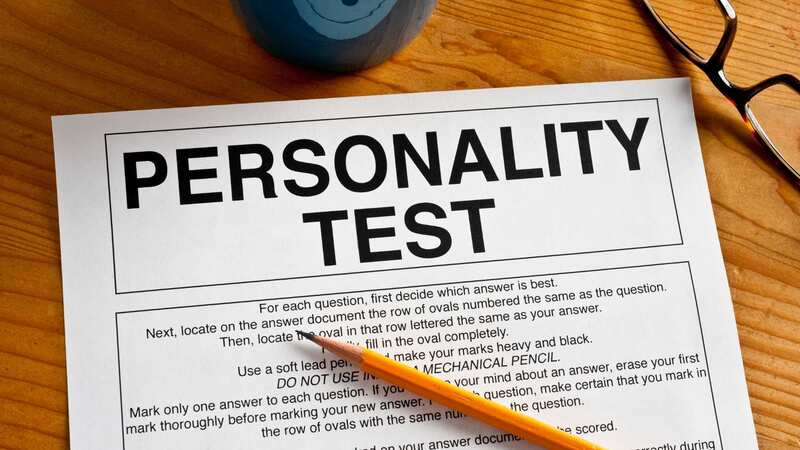
SBTI Personality Types Explained: Complete Guide to All 27 Types
The SBTI personality test is a modern behavioral assessment framework designed to categorize human personality into 27 unique personality types based on 15 behavioral dimensions across five core models: Self, Emotion, Attitude, Action, and Social behavior.
Unlike traditional personality systems, SBTI is a multi-dimensional personality classification model that provides deeper psychological insight into how individuals think, feel, and act in real-world scenarios.
According to official SBTI documentation, the system is built to deliver a structured yet entertaining personality profiling experience, helping users explore self-awareness in a simplified psychological framework.
This guide explains all 27 SBTI personality types in detail, including behavioral traits, mindset patterns, strengths, and weaknesses.
SBTI Personality Types Explained
1. CTRL – The Controller
CTRL personalities are highly structured, strategic, and naturally inclined toward leadership and system control. They prefer order over chaos and often take responsibility in group settings without being asked.
They excel in environments that require planning, organization, and decision-making under pressure. In relationships, CTRL types may appear dominant or directive, but their intention is usually efficiency and stability.
Key traits: strategic, disciplined, authoritative, structured thinker
Weakness: may become overly controlling or inflexible under stress
2. BOSS – The Natural Leader
BOSS types are confident, assertive, and socially dominant. They naturally take charge in both professional and personal environments.
They are highly results-oriented and are often motivated by achievement and recognition. BOSS personalities thrive in leadership, entrepreneurship, and competitive industries.
Key traits: confident, ambitious, commanding, goal-driven
Weakness: may overlook emotional sensitivity of others
3. GOGO – The Action-Oriented Doer
GOGO personalities prioritize speed, execution, and momentum. They dislike delays, overthinking, or unnecessary planning.
They are highly productive and often prefer learning by doing rather than theoretical analysis. However, their fast-paced mindset can sometimes lead to impulsive decisions.
Key traits: energetic, fast executor, action-driven
Weakness: may lack long-term planning or patience
4. LOVE-R – The Emotional Romantic
LOVE-R types are emotionally expressive and deeply relationship-oriented. They value emotional connection, intimacy, and meaningful bonds.
They often feel emotions intensely and may be highly sensitive to relationship dynamics. LOVE-R individuals are naturally affectionate and empathetic partners.
Key traits: romantic, sensitive, emotionally expressive
Weakness: emotional dependency or over-attachment
5. MUM – The Caregiver
MUM personalities are nurturing, protective, and highly empathetic. They often prioritize the well-being of others over their own needs.
They are reliable emotional supporters in families, friendships, and workplaces. Their strength lies in emotional intelligence and compassion.
Key traits: caring, supportive, empathetic, protective
Weakness: self-neglect or emotional burnout
6. SEXY – The Charismatic Influencer
SEXY types are naturally attractive in social settings due to confidence, charm, and presence. They understand social dynamics intuitively.
They often excel in media, marketing, sales, or entertainment fields. Their awareness of impression management makes them highly influential.
Key traits: charismatic, confident, socially magnetic
Weakness: may prioritize image over authenticity
7. THAN-K – The Grateful Optimist
THAN-K personalities focus on gratitude, positivity, and appreciation. They tend to maintain emotional balance even in difficult situations. They uplift others through encouragement and emotional support. Their mindset often helps stabilize group morale.
Key traits: optimistic, appreciative, emotionally stable
Weakness: may avoid confronting negative realities
8. THIN-K – The Analytical Thinker
THIN-K types are logical, rational, and deeply analytical. They prioritize facts, data, and structured reasoning over emotional influence. They excel in research, engineering, finance, and strategic planning roles. They tend to think before acting.
Key traits: logical, analytical, detail-oriented
Weakness: emotional detachment or overthinking
9. WOC! – The Overstimulated Mind
WOC! personalities experience high mental activity and emotional sensitivity. They often process multiple thoughts simultaneously. They are creative and imaginative but may struggle with anxiety or mental overload. They need structured environments to stay focused.
Key traits: creative, intense thinker, highly reactive
Weakness: stress-prone, easily overwhelmed
10. OH-NO – The Risk Anticipator
OH-NO types are cautious, alert, and highly aware of potential risks. They tend to predict negative outcomes before making decisions. They are excellent planners in crisis prevention and risk management. However, they may struggle with excessive worry.
Key traits: cautious, analytical, risk-aware
Weakness: anxiety or hesitation in decision-making
11. OJBK – The Detached Observer
OJBK personalities are emotionally neutral and relaxed. They do not easily get affected by external pressure or emotional turbulence. They prefer observing rather than participating in conflict. This makes them appear calm and unbothered in most situations.
Key traits: detached, calm, observant
Weakness: perceived as emotionally distant
12. MONK – The Inner-World Philosopher
MONK types value solitude, reflection, and inner peace. They often detach from external chaos to focus on self-understanding. They may be spiritual, philosophical, or introspective. MONK personalities prioritize mental clarity and simplicity.
Key traits: introspective, calm, philosophical
Weakness: social withdrawal or isolation
13. ZZZZ – The Rest-Seeker
ZZZZ personalities prioritize rest, comfort, and energy conservation. They function best in low-stimulation environments. They are not lazy, but energy-efficient and highly aware of burnout prevention. They value balance and recovery.
Key traits: relaxed, calm, low-energy preference
Weakness: procrastination or low urgency
14. MALO – The Free Spirit
MALO types are spontaneous, playful, and adventurous. They dislike rigid structure and prefer living in the moment. They bring fun, creativity, and unpredictability into social environments.
Key traits: spontaneous, playful, free-spirited
Weakness: inconsistency or lack of long-term planning
Browse Latest Jobs
15. SHIT – The Cynical Realist
SHIT personalities are blunt, skeptical, and highly critical. They tend to question systems, authority, and social norms. While often seen as pessimistic, they provide grounded reality checks in decision-making.
Key traits: critical thinker, realistic, direct
Weakness: negativity or social friction
16. FUCK – The Survival-Driven Personality
FUCK types are resilient, tough, and emotionally hardened by experience. They are highly adaptive under pressure. They often develop strong mental endurance through adversity.
Key traits: resilient, strong-willed, adaptive
Weakness: emotional suppression
17. FAKE – The Adaptive Chameleon
FAKE personalities adjust their behavior depending on social context. They are highly adaptable in communication. They are skilled in reading environments and shifting tone or identity when needed.
Key traits: adaptable, socially flexible, observant
Weakness: lack of consistent identity
18. JOKE-R – The Humor-Based Personality
JOKE-R types use humor as a primary communication and coping mechanism. They lighten tense situations. They are socially engaging but may use humor to avoid emotional vulnerability.
Key traits: humorous, expressive, entertaining
Weakness: emotional avoidance
19. SOLO – The Independent Thinker
SOLO personalities prefer independence and self-sufficiency. They are comfortable working alone and making solo decisions. They value personal space and autonomy highly.
Key traits: independent, self-reliant, focused
Weakness: difficulty in teamwork
20. IMSB – The Chaotic Energy Type
IMSB personalities are unpredictable, expressive, and high-energy. They often act spontaneously without overthinking consequences. They bring excitement and unpredictability into social groups.
Key traits: energetic, impulsive, expressive
Weakness: inconsistency
21. POOR – The Minimalist Mindset
POOR types focus on simplicity, efficiency, and resource management. They avoid unnecessary consumption. They often prioritize functionality over luxury or appearance.
Key traits: practical, minimalist, resource-aware
Weakness: overly restrictive mindset
22. DEAD – The Emotionally Numb Type
DEAD personalities show low emotional expression and reduced reactivity. They may appear indifferent but are often internally reflective. They detach from emotional situations to maintain stability.
Key traits: numb, detached, calm
Weakness: emotional suppression
23. ATM-er – The Giver Personality
ATM-er types are highly generous and supportive. They often give emotional, financial, or social support without expecting return. They are dependable in relationships and friendships.
Key traits: generous, supportive, reliable
Weakness: being taken advantage of
24. Dior-s – The Skeptical Achiever
DIOR-s personalities are skeptical of success narratives but remain determined. They question systems but still pursue goals. They combine realism with persistence.
Key traits: skeptical, persistent, analytical
Weakness: distrustful mindset
25. IMFW – The Emotionally Sensitive Type
IMFW personalities are highly sensitive and emotionally reactive. They are easily affected by external opinions. They require emotional reassurance and stability.
Key traits: sensitive, emotional, reactive
Weakness: vulnerability to stress
26. HHHH – The Undefined Type
HHHH personalities do not strongly fit into any specific behavioral category. They are inconsistent or mixed in traits. They often fluctuate between multiple personality patterns.
Key traits: undefined, mixed traits
Weakness: lack of clear identity pattern
27. DRUNK – The Lowered Inhibition State
DRUNK types represent a personality state where inhibition is reduced, leading to increased emotional expression and reduced filtering. This type is often situational rather than stable.
Key traits: uninhibited, expressive, impulsive
Weakness: poor judgment under influence
Conclusion
The SBTI personality types system provides a modern, engaging way to explore human behavior through 27 distinct personality profiles. Whether you are analytical like THIN-K, emotional like LOVE-R, or independent like SOLO, the model helps users understand personality diversity in a simplified and entertaining format.
While not a clinical psychological tool, it remains highly valuable for self-awareness, personality exploration, and social understanding.
FAQ
1. What are SBTI personality types?
SBTI personality types are a system that categorizes individuals into 27 behavioral personality patterns based on 15 psychological dimensions.
2. How many SBTI personality types are there?
There are 27 SBTI personality types, including standard and rare types like HHHH and DRUNK.
3. Is SBTI similar to MBTI?
Yes, but SBTI focuses more on behavioral and emotional expression rather than cognitive functions like MBTI.
4. Is the SBTI personality test accurate?
SBTI is primarily designed for entertainment and self-reflection rather than clinical psychological diagnosis.
5. What is the rarest SBTI personality type?
Types like HHHH and DRUNK are considered rare due to their unique scoring conditions.
Browse Latest Jobs
Disclaimer:
The information provided in our blog articles is intended for general informational purposes only. It is not a substitute for professional advice and should not be relied upon as such.
While we strive to provide accurate and up-to-date information, the ever-evolving nature of certain topics may result in content becoming outdated or inaccurate over time. Therefore, we recommend consulting with qualified professionals or experts in the respective fields for specific advice or guidance. Any actions taken based on the information contained in our blog articles are solely at the reader's discretion and risk. We do not assume any responsibility or liability for any loss, damage, or adverse consequences incurred as a result of such actions.
We may occasionally provide links to external websites or resources for further information or reference. These links are provided for convenience and do not imply endorsement or responsibility for the content or accuracy of these external sources. Our blog articles may also include personal opinions, views, or interpretations of the authors, which do not necessarily reflect the views of our organisation as a whole. We encourage readers to verify the accuracy and relevance of information presented in our blog articles and to seek professional advice when needed.
Your use of this website and its content constitutes acceptance of this disclaimer.
References
-
SBTI Official Website – SBTI Personality System Overview https://www.sbti.ai/en/about
-
SBTI Personality Types Breakdown (27 Types Explained) – SBTI Test Personality Blog https://sbtitestpersonality.com/blog/all-27-sbti-types/
-
American Psychological Association (APA) – Personality Psychology Overview https://www.apa.org/topics/personality
-
Encyclopaedia Britannica – Personality Psychology Definition & Theory https://www.britannica.com/science/personality-psychology
-
Myers & Briggs Foundation – MBTI Personality Type System Reference https://www.myersbriggs.org/my-mbti-personality-type/mbti-basics/
Related Post
 Merdeka Day 2026: Best Wishes, Greetings & MessagesGeneral
Merdeka Day 2026, also known as Malaysia National Day or Hari Kebangsaan, will be celebrated on 31 August 2026. This year marks the 69th...
 How to Claim Free HRD Corp Courses: A Guide for Malaysian EmployeesGeneral
In today’s competitive job market, continuous learning and skills development have become essential for career growth. Whether you are looking to...
 Online Passport Renewal Malaysia: Step-by-Step Guide and MyImmigration TipsGeneral
Renewing your passport no longer requires spending hours waiting at an immigration counter. With the introduction of online passport renewal...
 Rent-To-Own (RTO) Schemes in Malaysia: A Beginner’s GuideGeneral
Buying a home is a major financial milestone for many Malaysians. However, with rising property prices, increasing living costs, and stricter...