How the Middle East Conflict Affects Travel and Tourism in Malaysia
GeneralMarch 17, 2026 10:00
How the Middle East Conflict Affects Travel and Tourism in Malaysia
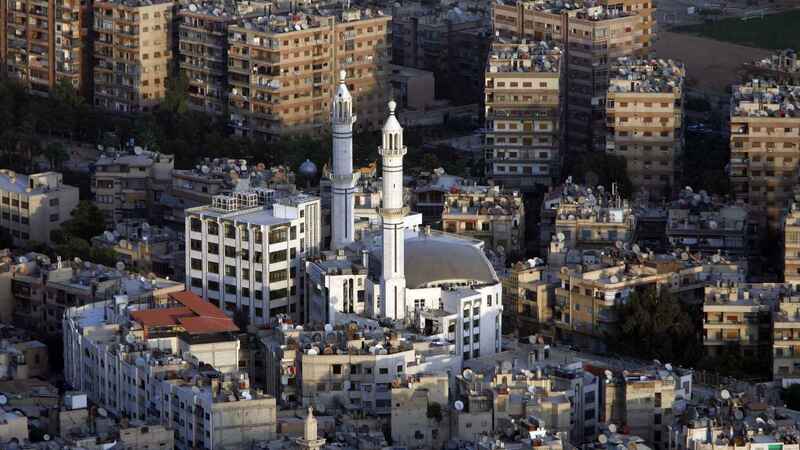
The ongoing geopolitical conflict in the Middle East, particularly involving the United States, Israel, and Iran, has not only reshaped international security dynamics but also created far‑reaching consequences for the global travel and tourism industry. For Malaysia’s tourism sector in 2026, this has translated into flight disruptions, travel advisories, rising airfare costs, travel insurance concerns, and indirect impacts on marketing campaigns such as Visit Malaysia 2026.
1. Aviation Disruptions and Airline Route Adjustments
One of the most immediate repercussions of the Middle East conflict is the disruption of air travel routes, especially those transiting the Gulf region through hubs such as Dubai, Doha, and Abu Dhabi. Major airlines, including Malaysia Airlines, have extended flight suspensions to and from key Middle Eastern cities due to airspace closures over security concerns.
Rerouted flights and restricted airspace have resulted in longer flight paths, increased fuel consumption, and higher airfares for Malaysian travelers going to Europe, Africa, and other destinations that traditionally route through the Middle East.
Moreover, global carriers and regionally focused airlines are responding to elevated jet fuel prices and operational uncertainties by raising ticket prices or reducing scheduled services, a trend confirmed by recent reports of widespread airline fare increases linked to Middle Eastern instability.
2. Travel Advisories and Safety Concerns for Malaysians
The Malaysian Ministry of Foreign Affairs (Wisma Putra) has maintained official travel advisories covering at least 10 Middle Eastern countries affected by the conflict. Citizens are strongly urged to defer non‑essential travel to regions such as Iran, Iraq, Jordan, Kuwait, Qatar, the United Arab Emirates (UAE), Bahrain, Oman, Lebanon, and Saudi Arabia, reflecting ongoing security and aviation risks.
These advisories directly influence consumer confidence, as Malaysian travelers planning religious pilgrimage trips (such as Umrah), business travel, or tourism are now reconsidering or postponing their plans amid heightened risk and logistical challenges.
3. Impact on Tourism Marketing and Visit Malaysia 2026 Goals
Malaysia’s national tourism targets for Visit Malaysia 2026 (VM2026) which aim to attract millions of international visitors and generate substantial revenue are being tested by changing global travel conditions. Tourism economists have expressed concerns that long‑haul travel demand could be dampened if travel disruptions persist, especially among tourists from Europe, the United States, and Africa whose access to Malaysia often involves transit through conflict‑affected hubs.
Higher aviation costs and decreased traveler confidence can translate to fewer long‑haul bookings and a more competitive global tourism market. Encouragingly, however, Malaysia’s strategic position within Southeast Asia and its diversified tourism market including strong regional demand may help offset some of these challenges.
4. Shifting Travel Patterns and Alternative Destinations
With disruptions impacting the traditional Gulf transit network, some travel professionals predict a shift in tourism flows. Alternative travel routes are gaining traction among passengers, especially low‑risk short‑haul destinations within Asia that bypass conflict zones entirely. These include popular leisure spots such as Singapore, Bangkok, Jakarta, Manila, and Bali, which have become attractive suggestions for Malaysian holidaymakers seeking stable travel options.
Furthermore, regional airports like Kuala Lumpur International Airport (KLIA) may see increased flight traffic and tourism activity as carriers adjust schedules to avoid Middle Eastern airspace closures, potentially drawing tourism benefits to Malaysia even amid broader aviation turbulence.
5. Tourism Industry Resilience and Long‑Term Outlook
Experts within Malaysia’s tourism sector emphasise resilience and adaptability in the face of global disruptions. Domestic tourism efforts, digital tools such as targeted tourism marketing, and regional collaboration among ASEAN neighbours are seen as strategic levers for sustaining tourism growth amid external shocks.
While short‑term challenges persist from ticket price inflation to wary traveler sentiment, Malaysia’s established reputation as a halal‑friendly travel destination and its proximity to large source markets in Asia position the nation to capitalise on shifting travel trends.
Conclusion
The Middle East conflict continues to exert a multifaceted influence on travel and tourism in Malaysia, disrupting flight networks, shaping travel advisories, and affecting international travel behaviour. Although the impact on the tourism industry and Visit Malaysia 2026 objectives is complex and evolving, Malaysia’s diversified tourism landscape and strengthened regional focus will play a vital role in weathering global uncertainties. For stakeholders from airlines to tour operators and Malaysian travelers, understanding these dynamics is essential to navigating the changing landscape of global tourism in 2026.
About us
At Reeracoen Malaysia, we are a leading recruitment and executive search firm, dedicated to connecting top talent with the right employers nationwide. Whether you’re a company seeking qualified professionals or a candidate aiming to advance your career, our expert consultants are here to support you.
🔹 For Employers: Get a Free Consultation to discuss your hiring needs and discover how we can help you find the right talent faster.
🔹 For Jobseekers: Explore the Latest Job Opportunities and take the next step toward your career goals today.
With years of experience in Malaysia’s job market, Reeracoen Malaysia continues to bridge opportunities between employers and job seekers — empowering growth, innovation, and success.

Disclaimer:
The information provided in our blog articles is intended for general informational purposes only. It is not a substitute for professional advice and should not be relied upon as such.
While we strive to provide accurate and up-to-date information, the ever-evolving nature of certain topics may result in content becoming outdated or inaccurate over time. Therefore, we recommend consulting with qualified professionals or experts in the respective fields for specific advice or guidance. Any actions taken based on the information contained in our blog articles are solely at the reader's discretion and risk. We do not assume any responsibility or liability for any loss, damage, or adverse consequences incurred as a result of such actions.
We may occasionally provide links to external websites or resources for further information or reference. These links are provided for convenience and do not imply endorsement or responsibility for the content or accuracy of these external sources. Our blog articles may also include personal opinions, views, or interpretations of the authors, which do not necessarily reflect the views of our organisation as a whole. We encourage readers to verify the accuracy and relevance of information presented in our blog articles and to seek professional advice when needed.
Your use of this website and its content constitutes acceptance of this disclaimer.
References
- Wilayah. Middle East Tensions Threaten Malaysia’s Tourism Ambitions for 2026.
- The Star (Malaysia). Businesses Brace for Higher Transport Costs From Middle East Conflict.
- The Star (Malaysia). Tourism Resilient Despite Global Conflict Impact.
- Malay Mail. Tourism Experts Warn Gulf Aviation Disruptions Could Affect Visit Malaysia 2026 Targets.
- The Sun Malaysia. Malaysia Airlines Extends Middle East Flight Suspensions to 2026.
- Travel and Tour World. Middle East Crisis Influences Global Tourism Trends.
Related Post
 “I’m Here for You”: When the Reeracoen Way Became More Than WordsGeneral
In a children’s village in the Philippines, far from Reeracoen’s offices across Asia, a familiar message began to play. “I’m Here for You.” This...
 Merdeka Day 2026: Best Wishes, Greetings & MessagesGeneral
Merdeka Day 2026, also known as Malaysia National Day or Hari Kebangsaan, will be celebrated on 31 August 2026. This year marks the 69th...
 How to Claim Free HRD Corp Courses: A Guide for Malaysian EmployeesGeneral
In today’s competitive job market, continuous learning and skills development have become essential for career growth. Whether you are looking to...
 Online Passport Renewal Malaysia: Step-by-Step Guide and MyImmigration TipsGeneral
Renewing your passport no longer requires spending hours waiting at an immigration counter. With the introduction of online passport renewal...