Top Dumpling Festival Traditions in Malaysia You Should Know
Top Dumpling Festival Traditions in Malaysia You Should Know
The Dumpling Festival, also widely known as the Dragon Boat Festival or Duanwu Festival (端午节), is one of the most important traditional Chinese festivals celebrated in Malaysia and across Asia. Rich in cultural heritage, symbolism, and family traditions, the festival is especially recognized for its iconic rice dumplings known locally as Bak Chang or Zongzi.
In multicultural Malaysia, the Dumpling Festival has evolved into a vibrant cultural celebration observed by Malaysian Chinese communities through family gatherings, traditional food preparation, religious customs, and dragon boat-related activities.
Eating Bak Chang (Rice Dumplings) During the Dumpling Festival
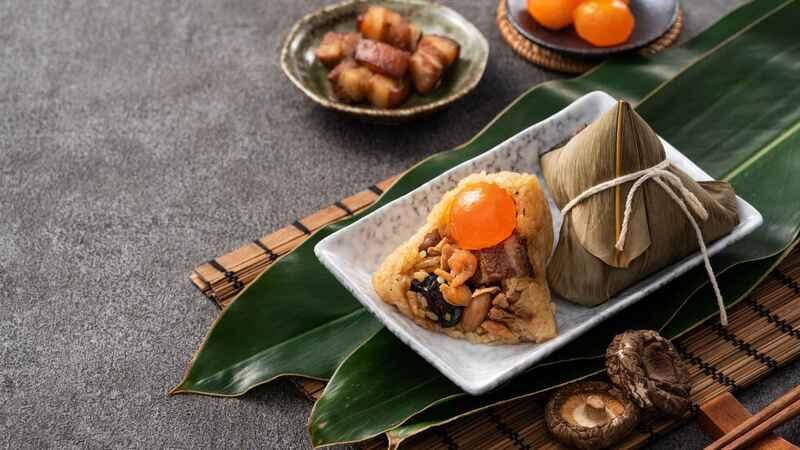
One of the most recognizable Dragon Boat Festival traditions in Malaysia is the preparation and sharing of Bak Chang (粽子), also known internationally as Zongzi or Chinese rice dumplings. These glutinous rice dumplings are traditionally wrapped in bamboo leaves and filled with various ingredients such as:
-
Marinated pork
-
Salted egg yolk
-
Mushrooms
-
Chestnuts
-
Beans or peanuts
In Malaysia, regional and family recipes vary significantly, with Nyonya Bak Chang becoming especially popular for its sweet and savory flavor profile.
The tradition of eating dumplings during the Dragon Boat Festival is historically associated with commemorating the ancient Chinese poet Qu Yuan.
Honoring Qu Yuan and Chinese Cultural Heritage
The origins of the Dumpling Festival date back more than 2,000 years and are closely linked to Qu Yuan, a respected Chinese poet and statesman during the Warring States period.
According to Chinese folklore:
-
Qu Yuan drowned himself in protest against political corruption
-
Villagers raced boats to save him
-
Rice dumplings were thrown into the river to protect his body from fish
Today, the festival symbolizes:
-
Loyalty and patriotism
-
Cultural remembrance
-
Family unity and respect for tradition
The Dragon Boat Festival remains an important occasion for preserving Chinese cultural identity among Malaysian Chinese communities.
Browse Latest Jobs
Family Gatherings and Home-Cooked Traditions
Similar to other major Chinese festivals in Malaysia, the Dumpling Festival is also a time for family bonding and intergenerational traditions. Many Malaysian families continue to:
-
Prepare homemade Bak Chang together
-
Pass down traditional recipes
-
Gather for reunion meals
-
Teach younger generations about Chinese customs
Family participation plays a major role in preserving traditional Dumpling Festival culture in Malaysia.
Dragon Boat Activities and Community Celebrations
Although dragon boat racing is more prominent in countries such as China and Hong Kong, Malaysia also hosts various dragon boat events and community celebrations during the festival season. Popular Dragon Boat Festival activities in Malaysia include:
-
Dragon boat competitions
-
Cultural exhibitions
-
Chinese traditional performances
-
Temple celebrations
-
Food fairs and community events
States such as Penang, Selangor, and Kuala Lumpur occasionally organize dragon boat-related cultural programs to promote tourism and cultural appreciation.
Traditional Chinese Customs and Protective Symbols
The Dumpling Festival is traditionally associated with health protection and warding off negative energy. Some traditional customs practiced by older generations include:
-
Hanging herbal leaves such as mugwort and calamus
-
Wearing protective charms or scented sachets
-
Drinking traditional herbal beverages
-
Observing symbolic rituals for good health and protection
While some customs are less common among younger generations, they remain an important part of traditional Chinese festival culture.
Malaysian Variations of Dumpling Festival Foods
One unique aspect of celebrating the Dumpling Festival in Malaysia is the localization of traditional Chinese cuisine. Popular Malaysian-style dumplings include:
-
Nyonya Bak Chang
-
Hokkien-style rice dumplings
-
Cantonese Zongzi
-
Alkaline rice dumplings (Kee Chang)
-
Halal-friendly dumpling variations
Malaysia’s multicultural food landscape has contributed to a diverse range of Dragon Boat Festival food traditions that blend Chinese heritage with local flavors.
The Growing Popularity of Dumpling Festival in Modern Malaysia
In recent years, the Dragon Boat Festival in Malaysia has gained wider recognition beyond the Chinese community due to:
-
Social media exposure
-
Food tourism trends
-
Cultural appreciation events
-
Increased interest in traditional festivals
-
Local culinary promotions
Restaurants, hotels, and shopping malls across Malaysia frequently launch seasonal Bak Chang promotions and cultural campaigns during the festival period.
Conclusion
The Dumpling Festival remains one of the most meaningful traditional Chinese celebrations in Malaysia, combining history, culture, family traditions, and iconic food heritage. From preparing Bak Chang to honoring Qu Yuan and participating in community activities, the festival continues to connect generations while preserving Chinese cultural identity in modern Malaysia.
Whether celebrated through homemade dumplings, cultural gatherings, or dragon boat events, the Dragon Boat Festival continues to be an important cultural tradition that reflects Malaysia’s rich multicultural society.
Browse Latest Jobs
Disclaimer:
The information provided in our blog articles is intended for general informational purposes only. It is not a substitute for professional advice and should not be relied upon as such.
While we strive to provide accurate and up-to-date information, the ever-evolving nature of certain topics may result in content becoming outdated or inaccurate over time. Therefore, we recommend consulting with qualified professionals or experts in the respective fields for specific advice or guidance. Any actions taken based on the information contained in our blog articles are solely at the reader's discretion and risk. We do not assume any responsibility or liability for any loss, damage, or adverse consequences incurred as a result of such actions.
We may occasionally provide links to external websites or resources for further information or reference. These links are provided for convenience and do not imply endorsement or responsibility for the content or accuracy of these external sources. Our blog articles may also include personal opinions, views, or interpretations of the authors, which do not necessarily reflect the views of our organisation as a whole. We encourage readers to verify the accuracy and relevance of information presented in our blog articles and to seek professional advice when needed.
Your use of this website and its content constitutes acceptance of this disclaimer.
References
- UNESCO – Dragon Boat Festival Intangible Cultural Heritage
- Tourism Malaysia – Malaysia Cultural Festivals Information
Related Post
 Merdeka Day 2026: Best Wishes, Greetings & MessagesGeneral
Merdeka Day 2026, also known as Malaysia National Day or Hari Kebangsaan, will be celebrated on 31 August 2026. This year marks the 69th...
 How to Claim Free HRD Corp Courses: A Guide for Malaysian EmployeesGeneral
In today’s competitive job market, continuous learning and skills development have become essential for career growth. Whether you are looking to...
 Online Passport Renewal Malaysia: Step-by-Step Guide and MyImmigration TipsGeneral
Renewing your passport no longer requires spending hours waiting at an immigration counter. With the introduction of online passport renewal...
 Rent-To-Own (RTO) Schemes in Malaysia: A Beginner’s GuideGeneral
Buying a home is a major financial milestone for many Malaysians. However, with rising property prices, increasing living costs, and stricter...