Deepavali Workplace Celebration Ideas for Malaysian Companies
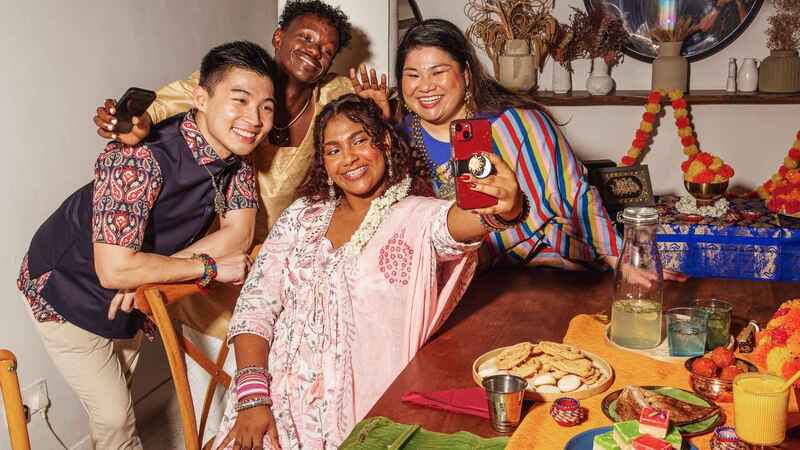
Deepavali, also known as Diwali or the Festival of Lights, is an important celebration for Hindus and is widely observed in Malaysia. For Malaysian employers, Deepavali can also provide an opportunity to recognise cultural diversity, encourage employee connection and create a more inclusive workplace culture.
However, an effective Deepavali workplace celebration is about more than decorations and festive food. Employers can use the occasion to create meaningful opportunities for employees to learn about different cultural traditions while ensuring that participation remains respectful and inclusive.
Malaysia's official government calendar lists Deepavali in Malaysia on 8 November 2026. The Department of Statistics Malaysia's 2020 Census recorded Hinduism as the religion of 6.1% of Malaysia's population, reflecting the country's diverse religious and cultural landscape.
For Malaysian companies, this diversity is an important consideration when developing employee engagement Malaysia activities, workplace culture Malaysia initiatives and inclusive workplace practices.
Table of Contents
- Why Deepavali Matters in the Malaysian Workplace
- 1. Organise a Deepavali-Themed Workplace Gathering
- 2. Introduce Employees to Deepavali Traditions
- 3. Share Deepavali Food and Traditional Snacks
- 4. Create a Kolam-Inspired Cultural Activity
- 5. Encourage Employees to Share Their Own Experiences
- 6. Decorate the Workplace Respectfully
- 7. Send an Inclusive Deepavali Workplace Message
- 8. Give Employees Space to Celebrate
- 9. Make Deepavali Part of a Wider Diversity and Inclusion Strategy
- 10. Use Workplace Celebrations to Strengthen Employee Connection
- What Employers Should Avoid During Deepavali Workplace Celebrations
- A Practical Deepavali Workplace Celebration Checklist
- Deepavali and the Future of Inclusive Workplace Culture in Malaysia
- Final Thoughts
- Related Articles
- Disclaimer
- Reference
Why Deepavali Matters in the Malaysian Workplace
Malaysia's workforce brings together people from different ethnic, religious and cultural backgrounds. This workplace diversity Malaysia is reflected in the way major festivals are observed across the country.
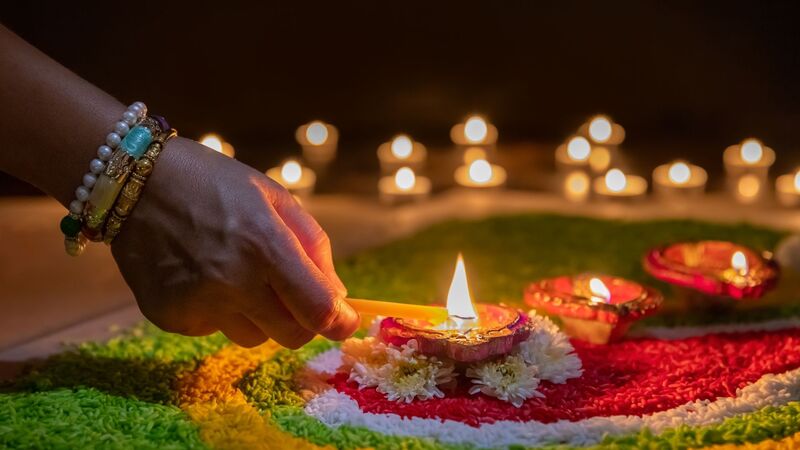
Deepavali is traditionally associated with themes including the triumph of light over darkness and good over evil. In Deepavali Malaysia, celebrations commonly include family gatherings, prayers, temple visits, traditional clothing, festive food, oil lamps and open houses. Tourism Malaysia highlights activities such as decorating homes with kolam, lighting oil lamps, preparing traditional food and visiting family and friends as part of Deepavali celebrations.
These traditions can provide inspiration for workplace cultural activities, but employers should distinguish between learning about a religious or cultural festival and asking employees to participate in religious practices.
A thoughtful workplace celebration should therefore focus on cultural appreciation, employee inclusion and connection, rather than attempting to recreate religious rituals in an office environment.
1. Organise a Deepavali-Themed Workplace Gathering
One of the simplest Deepavali celebration ideas for the workplace is to organise a small festive gathering.
Depending on the company's size, budget and workplace arrangements, this could include:
- A festive lunch or afternoon tea
- Deepavali-themed decorations
- Traditional snacks and desserts
- A short cultural sharing session
- A festive photo area
- A team gathering before the public holiday
The purpose does not need to be elaborate. A simple event can give employees an opportunity to connect outside their usual work responsibilities.
For companies with hybrid or remote teams, employers can also organise a virtual Deepavali celebration at work, share festive messages internally or provide employees with digital cultural resources.
2. Introduce Employees to Deepavali Traditions
A cultural awareness activity can be a useful addition to a Deepavali workplace celebration.
For example, HR teams can prepare a short internal article, presentation or notice explaining:
- What Deepavali is
- Why it is known as the Festival of Lights
- Common Deepavali traditions in Malaysia
- The meaning of kolam and oil lamps
- Traditional Deepavali food
- How families may celebrate the festival
- Why the festival is significant to Hindu communities
Tourism Malaysia describes Deepavali preparations and celebrations in Malaysia as including home cleaning, kolam decorations, oil lamps, new clothing, prayers, temple visits, family gatherings, traditional food and open houses.
The important point is to present the information as cultural education, rather than assuming that every Hindu employee celebrates Deepavali in exactly the same way.
This approach can support cultural diversity in the workplace while encouraging employees to learn from one another.
3. Share Deepavali Food and Traditional Snacks
Food is often an accessible way to introduce employees to different cultures.
Companies can organise a Deepavali food sharing session featuring traditional snacks and festive dishes such as murukku, ladoo, barfi and gulab jamun. Tourism Malaysia identifies these and other sweets and savoury foods as part of Deepavali celebrations.
For an inclusive workplace event, employers should also consider:
- Vegetarian options
- Halal requirements
- Food allergies
- Dietary restrictions
- Clear food labelling
- Employees who may prefer not to participate
Rather than making assumptions about dietary preferences, HR teams can ask employees about their requirements in advance.
This small step can make workplace celebrations in Malaysia more comfortable and accessible for a wider range of employees.
4. Create a Kolam-Inspired Cultural Activity
Kolam is a traditional form of floor art commonly associated with Deepavali. Tourism Malaysia describes kolam as decorative patterns made using materials such as rice flour or chalk powder.
For a workplace setting, companies could organise a kolam-inspired creative activity where employees learn about the artistic tradition and create a temporary design together.
The activity could be adapted for:
- Team-building sessions
- Office decoration
- Employee engagement programmes
- Cultural learning events
- Family days
- Company open houses
However, the activity should be introduced with appropriate cultural context. Employees should understand that they are learning about a cultural tradition rather than simply using traditional symbols as office decoration.
This helps employers strike a balance between employee engagement Malaysia and cultural respect.
Explore Jobs by Specialty
Select a category below to view active openings immediately:
5. Encourage Employees to Share Their Own Experiences
A more meaningful inclusive workplace activities idea can be as simple as giving employees an opportunity to share.
For example, a company could invite employees who celebrate Deepavali to voluntarily share:
- A favourite family tradition
- A festive food they enjoy
- How they prepare for Deepavali
- A memorable childhood celebration
- What the festival means to them personally
Participation should remain voluntary.
Not every employee who identifies with a particular cultural or religious background will celebrate a festival in the same way. Creating space for individual perspectives can therefore be more effective than presenting one fixed version of a culture.
This principle can also be applied to other cultural celebrations throughout the year.
6. Decorate the Workplace Respectfully
Festive decorations can help create a positive atmosphere, but workplace decorations should be appropriate and culturally respectful.
For a Deepavali office celebration ideas setup, companies may consider:
- Traditional-inspired decorative patterns
- Floral arrangements
- Festive lighting
- Kolam-inspired artwork
- Deepavali greeting displays
- Educational displays explaining the festival
Employers should also avoid using religious or cultural symbols purely as decorative props without understanding their significance.
A useful approach is to involve employees from relevant cultural backgrounds when planning the decorations. This can reduce the risk of inaccurate or inappropriate representation.
7. Send an Inclusive Deepavali Workplace Message
A simple Deepavali greeting from management or HR can also contribute to an inclusive employee experience.
The message could acknowledge the occasion, express appreciation for employees and wish those celebrating a meaningful and enjoyable Deepavali.
For companies with diverse teams, the communication can also recognise the wider importance of respect, inclusion and cultural understanding in the workplace.
Internal communication channels may include:
- Company email
- Employee newsletters
- Intranet announcements
- Workplace messaging platforms
- Digital noticeboards
- Social media, where appropriate
The tone should remain professional and respectful rather than overly promotional.
8. Give Employees Space to Celebrate
Workplace inclusion is not only about organising events. It can also mean recognising that employees may have personal commitments during important religious diversity in the workplace or cultural occasions.
Employers can consider practical arrangements such as:
- Communicating holiday schedules early
- Planning important meetings around major holidays where practical
- Allowing employees to plan leave in advance
- Considering flexible work arrangements where operationally possible
- Avoiding unnecessary pressure to participate in workplace celebrations
The International Labour Organization has highlighted the importance of workplace adjustments and reasonable accommodation in supporting diversity, including for workers who hold particular religions or beliefs.
In Malaysia, the Employment Act 1955 also contains provisions concerning discrimination in employment. The Department of Labour Peninsular Malaysia states that discrimination related to employment terms and conditions can include factors such as race and religion.
Therefore, religious inclusion in the workplace should be considered as part of broader HR practices, not only as an annual festive activity.
Explore Jobs by Specialty
Select a category below to view active openings immediately:
9. Make Deepavali Part of a Wider Diversity and Inclusion Strategy
One Deepavali event does not by itself create an inclusive workplace culture.
Instead, employers can consider how cultural inclusion fits into their wider employee engagement and diversity and inclusion strategy.
For example, companies could establish an annual calendar that recognises a range of cultural and religious occasions relevant to their workforce.
Depending on the organisation and employee demographics, this may include:
- Chinese New Year
- Hari Raya Aidilfitri
- Deepavali
- Christmas
- Wesak Day
- Thaipusam
- Vaisakhi
- Kaamatan
- Gawai
Tourism Malaysia notes that Malaysia's religious and cultural occasions are widely celebrated across the country, with open houses being a longstanding part of the country's festive culture.
The objective should not be to celebrate every occasion in exactly the same way. Instead, employers can create a consistent framework for workplace cultural celebrations in Malaysia, employee participation and respectful workplace communication.
10. Use Workplace Celebrations to Strengthen Employee Connection
Workplace celebrations can also support employee relationships when they are designed around genuine interaction.
A Deepavali event could include activities such as:
- Cross-team lunch sessions
- Cultural quizzes
- Festive food tasting
- Team creative activities
- Employee storytelling
- Cultural knowledge sharing
- Charity or community initiatives
The emphasis should be on bringing people together rather than turning the event into a formal corporate exercise.
For HR and business leaders, this can be particularly relevant to employee engagement, workplace culture and employer branding. Employees often experience company culture through everyday interactions, communication and the way their individual backgrounds are respected.
What Employers Should Avoid During Deepavali Workplace Celebrations
While cultural celebrations can be positive, employers should also consider what not to do.
Avoid assuming everyone celebrates Deepavali
Not every Malaysian employee celebrates Deepavali, and not every Hindu employee will observe the festival in the same way.
Participation should therefore be encouraged but not assumed.
Avoid turning religious practices into mandatory activities
A workplace cultural event should not require employees to participate in religious rituals.
Companies can provide educational information about Deepavali without asking employees to practise religious customs.
Avoid cultural stereotypes
Deepavali is more than colourful decorations, Indian food or traditional clothing.
A meaningful workplace Deepavali celebration should recognise the cultural and personal significance of the festival rather than reducing it to visual themes.
Avoid excluding employees from the celebration
If the event is intended as an employee engagement activity, employers can make it accessible to everyone while clearly communicating that participation is voluntary.
Avoid last-minute planning
Festive activities are more effective when HR teams communicate schedules, food arrangements and participation details early.
This is particularly important for employees who may already have family, religious or travel commitments during the festive period.
A Practical Deepavali Workplace Celebration Checklist
For HR teams planning a Deepavali office celebration ideas in Malaysia workflow, the following checklist can provide a simple starting point:
Before the event
- Confirm the date and workplace schedule
- Set an appropriate budget
- Consult employees on dietary requirements
- Plan inclusive activities
- Prepare culturally accurate information
- Communicate participation details early
During the event
- Keep participation voluntary
- Provide suitable food choices
- Introduce the cultural background of Deepavali
- Encourage respectful interaction
- Give employees opportunities to share their experiences
After the event
- Gather employee feedback
- Identify what worked well
- Record useful planning information for future celebrations
- Consider how cultural inclusion can be incorporated into broader employee engagement initiatives
Deepavali and the Future of Inclusive Workplace Culture in Malaysia
As Malaysian workplaces become increasingly diverse, cultural awareness is becoming an important part of the employee experience.
According to the Department of Statistics Malaysia's 2020 Population and Housing Census, how Malaysian companies celebrate Deepavali reflects a demographic recording of approximately 2.0 million Hindus across the country's diverse religious and cultural landscape.
For employers, this diversity presents an opportunity to think beyond annual celebrations.
A workplace that recognises cultural and religious differences can create more opportunities for employees to understand one another, communicate respectfully and build stronger working relationships.
The International Labour Organization also identifies equal opportunity and treatment as important principles in employment and notes that employers have a role in promoting non-discrimination through workplace policies and practices.
From an HR perspective, the most effective approach is therefore not simply to ask, “how to celebrate Deepavali at work?”
A more strategic question is:
“How can our workplace recognise different cultures while ensuring that every employee feels respected and included?”
That shift can turn a one-day festive activity into part of a broader inclusive workplace Malaysia culture.
Final Thoughts
Deepavali workplace celebrations can be simple, meaningful and inclusive.
From sharing traditional food and learning about kolam to organising cultural activities and giving employees space to celebrating Deepavali at work in their own way, Malaysian companies have many options for recognising the Festival of Lights.
The most important consideration is not the size of the celebration. It is the intention behind it.
When employers approach Deepavali in the workplace with cultural awareness, voluntary participation and respect for individual differences, festive activities can become a meaningful part of employee engagement and workplace culture.
For Malaysian employers, this is also an opportunity to reflect on how cultural inclusion can contribute to a workplace where employees from different backgrounds can work, communicate and grow together.
Deepavali is more than a workplace event. It can be an opportunity to build greater understanding, connection and respect across a diverse Malaysian workforce.
Explore Jobs by Specialty
Select a category below to view active openings immediately:
Related Articles
- Plan Your Leave with Malaysia’s Public Holiday Calendar 2026
- Deepavali Traditions in Malaysia: What Do Malaysians Celebrate?
- Deepavali Gifts for Employees in Malaysia: Thoughtful Ideas for Workplace Appreciation
- Deepavali Wishes & Messages 2026: Heartfelt Greetings for Family, Friends & Colleagues
Disclaimer
The information provided in our blog articles is intended for general informational purposes only. It is not a substitute for professional advice and should not be relied upon as such.
While we strive to provide accurate and up-to-date information, the ever-evolving nature of certain topics may result in content becoming outdated or inaccurate over time. Therefore, we recommend consulting with qualified professionals or experts in the respective fields for specific advice or guidance. Any actions taken based on the information contained in our blog articles are solely at the reader's discretion and risk. We do not assume any responsibility or liability for any loss, damage, or adverse consequences incurred as a result of such actions.
We may occasionally provide links to external websites or resources for further information or reference. These links are provided for convenience and do not imply endorsement or responsibility for the content or accuracy of these external sources. Our blog articles may also include personal opinions, views, or interpretations of the authors, which do not necessarily reflect the views of our organisation as a whole. We encourage readers to verify the accuracy and relevance of information presented in our blog articles and to seek professional advice when needed.
Your use of this website and its content constitutes acceptance of this disclaimer.
Reference
Related Post
 Malaysia Public Holiday Calendar 2027: Complete Federal and State Holiday GuideGeneral
Updated: 22 September 2026 The Malaysia 2027 public holiday calendar has been updated to reflect the official 2027 Federal and State Public...
 Deepavali Gifts for Employees in Malaysia: Thoughtful Ideas for Workplace AppreciationGeneral
In Malaysia's diverse workplace environment, festive occasions can provide meaningful opportunities for employers to recognise employees and...
 Deepavali Wishes & Messages 2026: Heartfelt Greetings for Family, Friends & ColleaguesGeneral
Deepavali, also known as Diwali or the Festival of Lights, is an important celebration for Hindu communities and one of the many cultural...
 Deepavali Traditions in Malaysia: What Do Malaysians Celebrate During the Festival of Lights?General
Deepavali, also known as Diwali or the Festival of Lights, is one of the most significant celebrations observed by the Hindu community in...