Deepavali Traditions in Malaysia: What Do Malaysians Celebrate During the Festival of Lights?
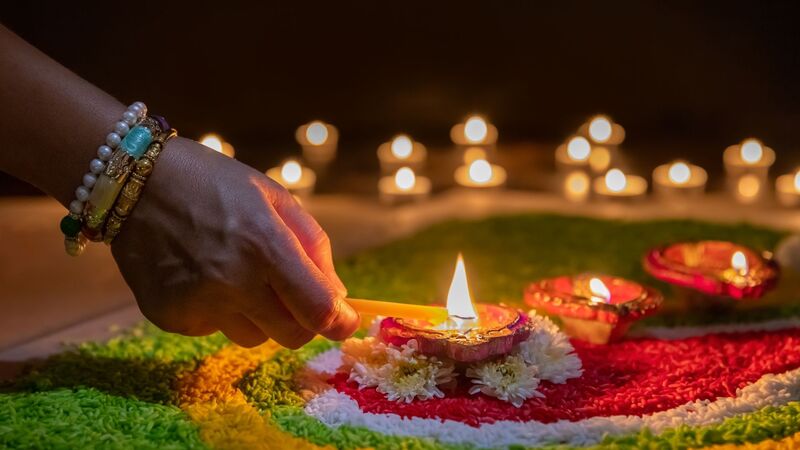
Deepavali, also known as Diwali or the Festival of Lights, is one of the most significant celebrations observed by the Hindu community in Malaysia. It is a time associated with light, renewal, family, religious observance, traditional food and community gatherings.
In Malaysia, Deepavali is also part of the country's multicultural festive calendar. The celebration can be seen not only in homes and temples, but also in shopping centres, public spaces and communities across the country.
For Malaysians who celebrate Deepavali, the festival can involve several traditions, from preparing the home and wearing new clothes to performing prayers, visiting family and friends, sharing festive food and lighting oil lamps.
In 2026, Deepavali falls on 8 November, according to the official Malaysian government calendar.
But what exactly does Deepavali mean, and what are the traditions commonly associated with Deepavali in Malaysia?
Table of Contents
- What Is Deepavali?
- When Is Deepavali Celebrated in Malaysia?
- How Do Malaysians Celebrate Deepavali?
- Deepavali in Malaysia: More Than the Festival of Lights
- How Deepavali Reflects Malaysia's Multicultural Society
- What Should You Know Before Attending a Deepavali Celebration?
- Frequently Asked Questions About Deepavali in Malaysia
- Final Thoughts
What Is Deepavali?
Deepavali is a major Hindu festival commonly known as the Festival of Lights. The name is derived from Sanskrit and is commonly interpreted as referring to a row or series of lights.
The festival is associated with themes such as the triumph of light over darkness, good over evil and knowledge over ignorance. Different Hindu communities and regions may observe Deepavali through different traditions and religious stories.
Tourism Malaysia notes that Deepavali is associated with several traditions and narratives, including stories connected with Lord Krishna and Narakasura, as well as Lord Rama's return to Ayodhya. These traditions can vary according to regional and cultural backgrounds.
This diversity is important when discussing Deepavali because there is no single way in which every Hindu family celebrates the festival.
In Malaysia, Deepavali traditions can differ between families, communities and generations, while still sharing common themes of family, spirituality, renewal and togetherness.
When Is Deepavali Celebrated in Malaysia?
Deepavali follows the Hindu lunar calendar, so the date changes from year to year.
In Malaysia, Deepavali is recognised as a public holiday. The official Malaysian government calendar lists Hari Deepavali on 8 November 2026.
The festival generally falls between October and November, although the exact date varies each year.
For employers and employees in Malaysia, knowing the date of Deepavali is also relevant when planning annual leave, workplace schedules, business operations and festive celebrations.
Explore Jobs by Specialty
Select a category below to view active openings immediately:
How Do Malaysians Celebrate Deepavali?
There is no single way to celebrate Deepavali. Traditions can vary depending on family customs, religious practices, regional background and personal preferences.
However, several Deepavali traditions in Malaysia are commonly associated with the festival.
1. Cleaning and Preparing the Home
Deepavali preparations often begin before the actual festival day.
Families may clean, organise and decorate their homes as part of their preparations for the celebration. Tourism Malaysia notes that cleaning and refreshing the home is traditionally associated with preparing for the festival and welcoming prosperity.
For many families, this preparation is more than simply household cleaning. It can represent a sense of renewal and creating a welcoming environment for family and visitors.
Deepavali decorations may include:
- Kolam
- Oil lamps or diyas
- Colourful decorations
- Flowers
- Traditional festive ornaments
- Decorative lights
The preparation itself can also become a family activity, with different generations contributing to the celebration.
2. Creating Kolam Designs
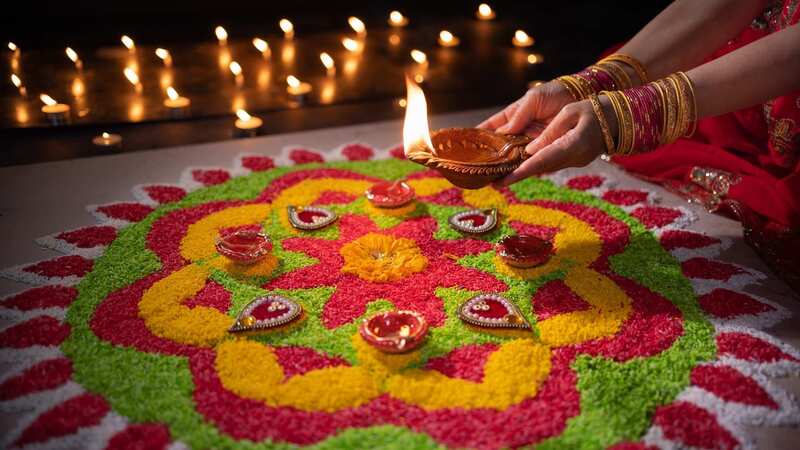
One of the most recognisable Deepavali decorations in Malaysia is the kolam.
A kolam is a decorative floor design traditionally created using materials such as rice flour or coloured powders. Designs may incorporate dots, lines, geometric patterns, curves and symmetrical shapes.
Tourism Malaysia describes kolam as an important feature of Deepavali celebrations and notes that these designs are traditionally associated with good luck and prosperity.
Today, colourful kolam can be seen not only outside homes but also in shopping malls, community spaces and other public areas during the Deepavali season.
This has made kolam an important visual representation of Indian culture in Malaysia and one of the festive traditions that many Malaysians recognise, even if they do not celebrate Deepavali themselves.
3. Lighting Diyas and Oil Lamps
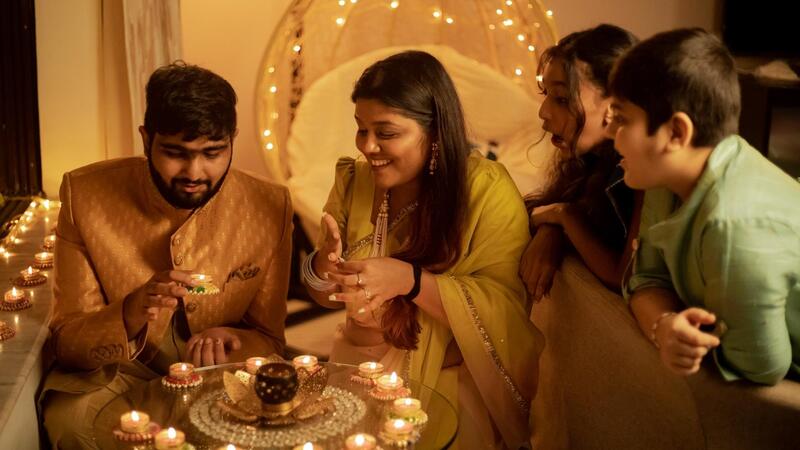
Lighting oil lamps, commonly known as diyas, is another important Deepavali tradition.
Diyas are small oil lamps that may be placed around entrances, pathways, windows or other areas of the home.
The light is traditionally associated with overcoming darkness and symbolising goodness, purity and hope. Tourism Malaysia identifies the lighting of diyas as one of the notable elements of Deepavali celebrations.
This is also why Deepavali is widely recognised as the Festival of Lights.
For many families, lighting the lamps is not simply a decorative activity. It forms part of the symbolic and spiritual meaning of the celebration.
4. Taking an Oil Bath
An oil bath is another traditional practice associated with Deepavali.
The Malaysian Ministry of Health describes the traditional Deepavali celebration as including an oil bath, temple prayers, home decoration with oil lamps and colourful artwork, followed by meals shared with relatives and friends.
The ritual is traditionally associated with purification and preparing oneself for the religious and festive observances of Deepavali.
As with other traditions, practices can differ between families and individuals.
5. Wearing New or Traditional Clothes
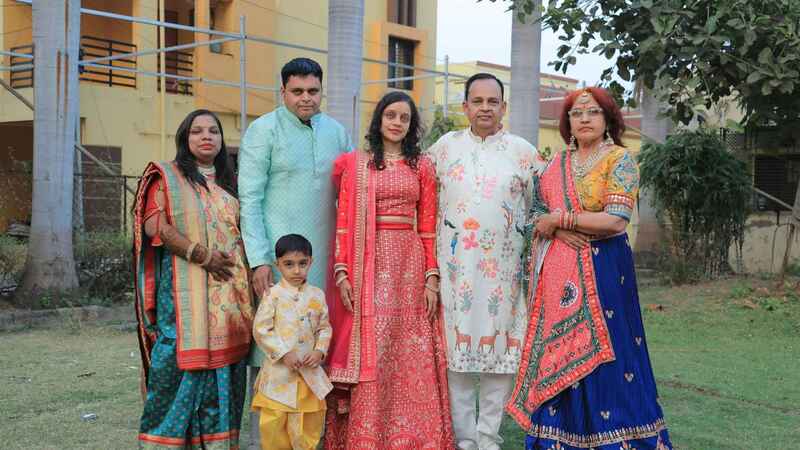
Wearing new clothes is another familiar Deepavali tradition in Malaysia.
Traditional Indian clothing may include:
- Sarees
- Kurta
- Dhoti
- Salwar kameez
- Other traditional Indian attire
Tourism Malaysia notes that wearing new clothes during Deepavali can represent a new beginning.
Festive clothing is also an important part of family gatherings, temple visits and photographs during the celebration.
For many families, choosing festive clothing is part of the preparation and anticipation leading up to Deepavali.
6. Visiting Temples and Offering Prayers
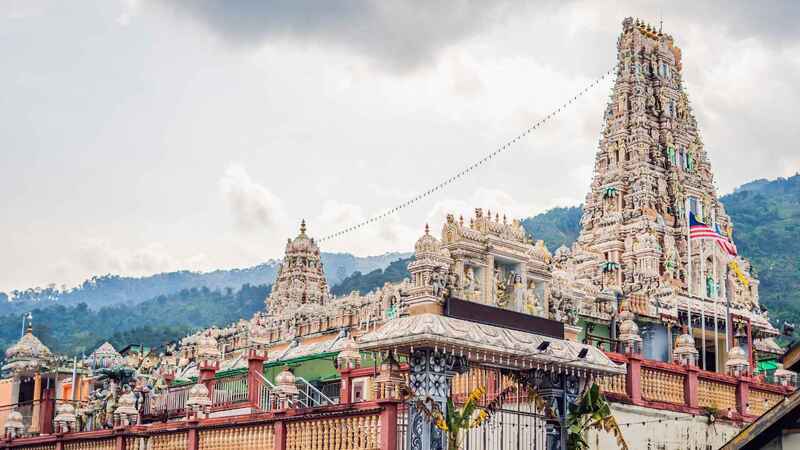
Religion remains an important part of Deepavali for many Hindu families.
Families may visit temples, participate in prayers and perform religious rituals during the festival.
Some families may also prepare their home prayer areas and make offerings such as fruits, flowers and sweets.
Tourism Malaysia highlights temple visits, home prayers and religious rituals as common elements of Deepavali celebrations in Malaysia.
The specific religious practices can vary according to family traditions and Hindu communities.
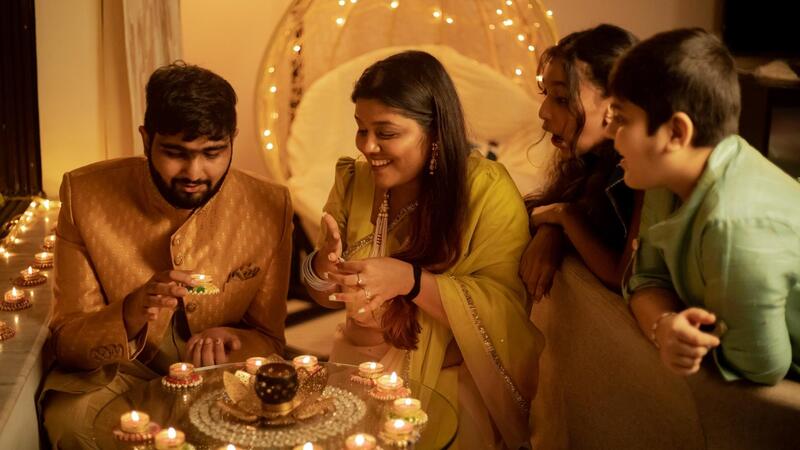
7. Spending Time With Family and Friends
Family gatherings are an important part of Deepavali celebrations in Malaysia.
The festival provides an opportunity for families and relatives to come together, visit one another and share meals.
Many people also use the occasion to reconnect with friends, neighbours and members of their wider community.
This social aspect is one reason Deepavali extends beyond religious observance. It can also be a time for strengthening relationships and maintaining family and community connections.
8. Enjoying Traditional Deepavali Food
Food is an important part of many Malaysian festivals, and Deepavali is no exception.
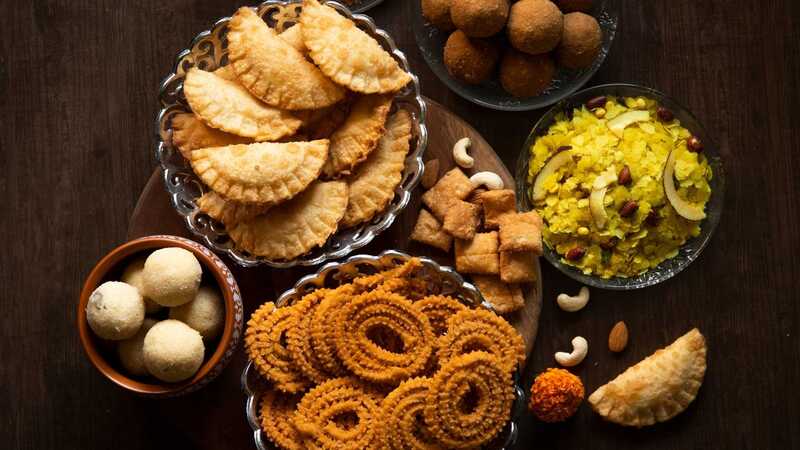
Traditional Deepavali food can include a variety of savoury snacks, sweets and festive dishes.
Popular Deepavali snacks and sweets include:
- Murukku
- Laddoo
- Barfi
- Gulab jamun
- Athi resam
- Halwa
Tourism Malaysia identifies murukku, athi resam, halwa and laddoo among foods commonly associated with Deepavali celebrations.
The Ministry of Health also notes that feasting and sharing meals with relatives and friends are traditional elements of Deepavali celebrations in Malaysia.
For many families, preparing and sharing festive food is part of the experience of welcoming guests and spending time together.
9. Hosting Deepavali Open Houses
The open house tradition is particularly relevant in Malaysia's multicultural society.
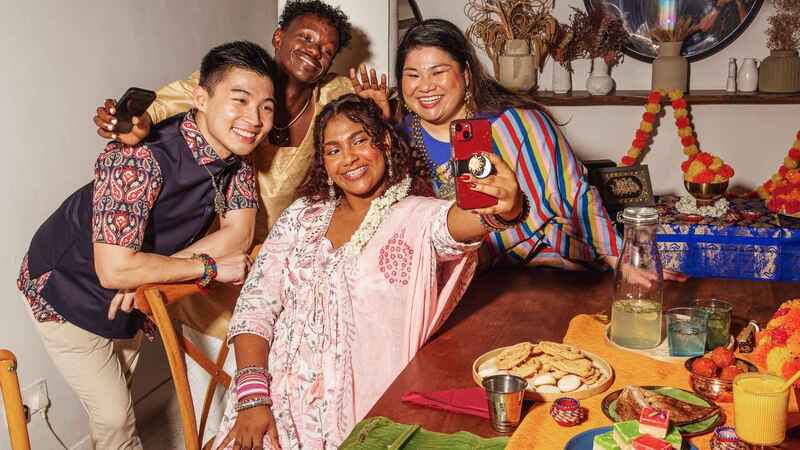
During Deepavali, some families may invite relatives, friends, neighbours and colleagues to their homes to enjoy festive food and spend time together.
Tourism Malaysia highlights open houses as part of Malaysian Deepavali celebrations and describes them as an opportunity for people to come together and share the festive occasion.
The Malaysian open house tradition also reflects a broader aspect of the country's festive culture: celebrations are often opportunities for people from different backgrounds to visit one another and experience each other's traditions.
For non-Hindu Malaysians, attending a Deepavali open house can be an opportunity to learn more about Indian Malaysian culture, traditional food and festive customs.
10. Community Events and Cultural Activities
Deepavali celebrations in Malaysia can also extend beyond individual households.
During the festive season, communities, shopping centres and organisations may organise:
- Cultural performances
- Traditional music
- Dance performances
- Kolam displays
- Festive markets
- Community gatherings
- Deepavali-themed activities
Tourism Malaysia notes that Malaysian Indian communities may organise cultural performances, traditional dance and music activities as part of the broader Deepavali celebration.
These activities can help introduce elements of Indian Malaysian culture to a wider audience.
Explore Jobs by Specialty
Select a category below to view active openings immediately:
Deepavali in Malaysia: More Than the Festival of Lights
While Deepavali is commonly recognised for its colourful decorations, oil lamps, traditional clothing and festive food, its significance extends beyond these visible traditions.
For many people who celebrate Deepavali, the festival represents themes of:
Light over darkness
A symbolic movement from darkness towards light.
Good over evil
A reminder of the importance of goodness and positive values.
Renewal and new beginnings
Cleaning the home, wearing new clothes and beginning a new festive cycle can represent renewal.
Family and togetherness
The festival provides an opportunity for family members and friends to reconnect.
Community
Open houses and community events can bring people from different backgrounds together.
These themes help explain why Deepavali remains an important celebration for the Hindu community in Malaysia.
How Deepavali Reflects Malaysia's Multicultural Society
Malaysia is home to communities with diverse religious, cultural and ethnic traditions. Deepavali is one of the major celebrations that forms part of this multicultural environment.
The festival is celebrated by the Hindu community, but its presence can also be seen more broadly across Malaysian society.
During the Deepavali season, public spaces, shopping malls and commercial areas may feature kolam designs, festive decorations, lights and cultural activities.
Tourism Malaysia describes Deepavali as one of the country's colourful celebrations and highlights how festivities can be experienced beyond individual households.
This is particularly relevant in Malaysia's workplaces.
Employees may come from different cultural and religious backgrounds, and understanding important festivals can help organisations create a more respectful and inclusive working environment.
What Should You Know Before Attending a Deepavali Celebration?
If you have been invited to a Deepavali open house or celebration, there are a few simple things to keep in mind.
- Respect the host's traditions
Different families may follow different religious or cultural practices. Follow the host's guidance where appropriate. - Dress appropriately
If you are visiting a temple or attending a religious ceremony, dress respectfully and follow any specific requirements. - Try the food
Deepavali is an important occasion for sharing food and hospitality. If you are comfortable doing so, trying traditional snacks and dishes can be a meaningful way to experience the celebration. - Ask questions respectfully
If you are unfamiliar with a tradition, it is perfectly reasonable to ask the host about it respectfully. - Enjoy the opportunity to connect
Deepavali open houses are often about family, friendship, food and community. Taking the time to connect with others is an important part of the Malaysian festive experience.
Frequently Asked Questions About Deepavali in Malaysia
What is Deepavali?
Deepavali is a major Hindu festival commonly known as the Festival of Lights. It is associated with themes including the triumph of light over darkness, good over evil and renewal. Different Hindu communities may observe different traditions and religious stories.
When is Deepavali in Malaysia in 2026?
According to Malaysia's official government calendar, Deepavali falls on 8 November 2026.
Why is Deepavali called the Festival of Lights?
The name Deepavali is associated with the idea of a row or series of lights. Lighting diyas or oil lamps is an important tradition and symbolically represents light overcoming darkness.
What are common Deepavali traditions in Malaysia?
Common traditions include cleaning and decorating the home, creating kolam, lighting diyas, taking an oil bath, wearing new clothes, visiting temples, praying, sharing festive food and visiting family and friends.
What food is traditionally eaten during Deepavali?
Popular Deepavali treats include murukku, laddoo, barfi, gulab jamun, athi resam and halwa. Specific dishes vary between families and communities.
Do Malaysians have Deepavali open houses?
Yes. Deepavali open houses are part of the wider Malaysian festive culture, with families sometimes welcoming relatives, friends, neighbours and colleagues to share food and celebrate together.
Do all Malaysian Hindus celebrate Deepavali in the same way?
No. Deepavali practices can vary between families, communities and individuals depending on religious traditions, regional heritage and personal preferences.
Final Thoughts
Deepavali is more than a colourful celebration marked by lights, kolam, traditional clothing and festive food. For many Malaysians who celebrate it, the Festival of Lights is a time for religious observance, family, renewal, cultural heritage and community.
In Malaysia's multicultural society, understanding Deepavali traditions can also help people appreciate the diverse cultural backgrounds represented in their communities and workplaces.
For employers, this awareness can contribute to a more respectful and inclusive workplace culture. For employees and jobseekers, understanding different cultural practices can support stronger communication and relationships in Malaysia's diverse working environment.
As Malaysians come together to celebrate Deepavali, the festival offers a reminder that cultural understanding can begin with something simple: taking the time to learn about and respect the traditions of others.
Explore Jobs by Specialty
Select a category below to view active openings immediately:
Related Articles
- Plan Your Leave with Malaysia’s Public Holiday Calendar 2026
- How Malaysian Workplaces Celebrate Deepavali: Ideas for Inclusive Workplace Celebrations
- Deepavali Gifts for Employees in Malaysia: Thoughtful Ideas for Workplace Appreciation
- Deepavali Wishes & Messages 2026: Heartfelt Greetings for Family, Friends & Colleagues
Disclaimer:
The information provided in our blog articles is intended for general informational purposes only. It is not a substitute for professional advice and should not be relied upon as such.
While we strive to provide accurate and up-to-date information, the ever-evolving nature of certain topics may result in content becoming outdated or inaccurate over time. Therefore, we recommend consulting with qualified professionals or experts in the respective fields for specific advice or guidance. Any actions taken based on the information contained in our blog articles are solely at the reader's discretion and risk. We do not assume any responsibility or liability for any loss, damage, or adverse consequences incurred as a result of such actions.
We may occasionally provide links to external websites or resources for further information or reference. These links are provided for convenience and do not imply endorsement or responsibility for the content or accuracy of these external sources. Our blog articles may also include personal opinions, views, or interpretations of the authors, which do not necessarily reflect the views of our organisation as a whole. We encourage readers to verify the accuracy and relevance of information presented in our blog articles and to seek professional advice when needed.
Your use of this website and its content constitutes acceptance of this disclaimer.
Reference
Related Post
 Malaysia Public Holiday Calendar 2027: Complete Federal and State Holiday GuideGeneral
Updated: 22 September 2026 The Malaysia 2027 public holiday calendar has been updated to reflect the official 2027 Federal and State Public...
 Deepavali Gifts for Employees in Malaysia: Thoughtful Ideas for Workplace AppreciationGeneral
In Malaysia's diverse workplace environment, festive occasions can provide meaningful opportunities for employers to recognise employees and...
 Deepavali Wishes & Messages 2026: Heartfelt Greetings for Family, Friends & ColleaguesGeneral
Deepavali, also known as Diwali or the Festival of Lights, is an important celebration for Hindu communities and one of the many cultural...
 Deepavali Workplace Celebration Ideas for Malaysian CompaniesGeneral
Deepavali, also known as Diwali or the Festival of Lights, is an important celebration for Hindus and is widely observed in Malaysia. For Malaysian...