How the Middle East Conflict Is Driving Up Petrol Prices in Malaysia
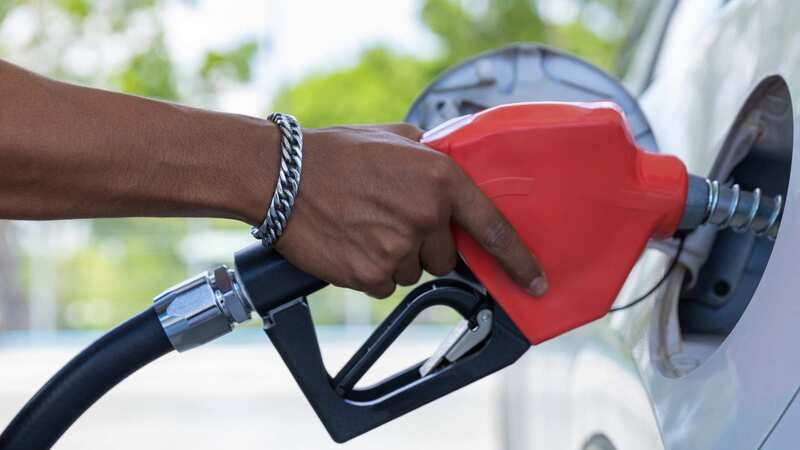
How the Middle East Conflict Is Driving Up Petrol Prices in Malaysia – 2026 Analysis
The ongoing geopolitical tensions in the Middle East, particularly the US‑Israel conflict involving Iran, have sent shockwaves through global energy markets, significantly affecting oil supply dynamics and causing volatility in crude oil prices. As a result, countries like Malaysia, a net importer of crude oil and refined petroleum products, are experiencing upward pressure on petrol prices, fuel costs, and broader cost-of-living effects.
1. Geopolitical Risk and Rising Global Oil Prices
One of the main drivers of petrol price increases in Malaysia is the surge in global crude oil prices due to disruptions in key international shipping lanes, especially the Strait of Hormuz, a critical chokepoint through which roughly 20% of the world’s oil supply transits daily. Escalating conflict in the Middle East has threatened these supply routes, prompting sharp upward repricing in oil markets. Analysts have observed Brent crude prices briefly approaching nearly US$120 per barrel, a level not seen since 2022, before occasional pullbacks amid market optimism.
Higher crude oil benchmarks such as Brent and West Texas Intermediate (WTI) directly impact the Mean of Platts Singapore (MOPS) pricing, a key reference for refined fuels in Southeast Asia. This means that surges in international crude prices typically elevate refined petrol costs across the region.
2. Malaysia’s Petrol Pricing Mechanism and Consumer Impact
Malaysia’s petrol prices including RON95, RON97, and diesel are determined using a combination of international oil benchmarks and the Automatic Pricing Mechanism (APM). Recent volatile movements in crude oil have prompted adjustments to non‑subsidised fuel prices. For example, retail prices for RON97 and unsubsidised RON95 were adjusted in early March 2026, reflecting global energy market trends. However, the government has kept the subsidised RON95 petrol at RM1.99 per litre under the Budi Madani RON95 (BUDI95) subsidy programme to shield consumers from direct market shocks.
While the subsidised fuel price remains unchanged, the price of unsubsidised petrol grades and diesel has ticked upward, illustrating how international price pressures filter into Malaysia’s domestic fuel market.
3. Government Response and Policy Measures
In response to these global pressures, Malaysian government has actively engaged in measures to stabilise fuel costs. Prime Minister Datuk Seri Anwar Ibrahim has stated that maintaining stable petrol prices is a priority, especially for the everyday motorist and business sector. He reinforced that, even with crude prices frequently exceeding US$100 per barrel, the government would endeavour to prevent further increases in subsidised RON95 petrol to mitigate cost of living pressures for Malaysian households.
The Ministry of Finance is also reviewing policy options to keep fuel prices consistent amidst unprecedented global volatility and the potential for elevated crude benchmarks to last for months.
4. Broader Economic Effects on Malaysia
Beyond direct fuel costs at the pump, rising petrol prices have a ripple effect across Malaysia’s economy. Industries that rely heavily on transportation, logistics, and fuel‑intensive processes such as manufacturing, distribution, and agribusiness are likely to face increased operational costs. Economists warn that these incremental increases may ultimately feed into consumer prices through what is known as cost‑push inflation.
If global crude prices remain elevated for a prolonged period, the sustainability of current petrol subsidies may be challenged, potentially leading to policy reassessments on petrol pricing structures in the future.
Conclusion
The ongoing Middle East conflict continues to exert upward pressure on global oil markets, which in turn affects petrol prices in Malaysia through international price benchmarks, distribution costs, and supply chain uncertainties. While Malaysia has taken proactive steps to stabilise fuel costs, particularly for subsidised petrol, continued volatility in crude oil prices highlights the complex interplay between geopolitical risk and domestic energy pricing. Malaysian consumers and businesses should remain informed on developments in global energy markets, as these factors increasingly influence petrol prices, inflationary trends, and broader economic conditions at home.
About us
At Reeracoen Malaysia, we are a leading recruitment and executive search firm, dedicated to connecting top talent with the right employers nationwide. Whether you’re a company seeking qualified professionals or a candidate aiming to advance your career, our expert consultants are here to support you.
🔹 For Employers: Get a Free Consultation to discuss your hiring needs and discover how we can help you find the right talent faster.
🔹 For Jobseekers: Explore the Latest Job Opportunities and take the next step toward your career goals today.
With years of experience in Malaysia’s job market, Reeracoen Malaysia continues to bridge opportunities between employers and job seekers — empowering growth, innovation, and success.

Disclaimer:
The information provided in our blog articles is intended for general informational purposes only. It is not a substitute for professional advice and should not be relied upon as such.
While we strive to provide accurate and up-to-date information, the ever-evolving nature of certain topics may result in content becoming outdated or inaccurate over time. Therefore, we recommend consulting with qualified professionals or experts in the respective fields for specific advice or guidance. Any actions taken based on the information contained in our blog articles are solely at the reader's discretion and risk. We do not assume any responsibility or liability for any loss, damage, or adverse consequences incurred as a result of such actions.
We may occasionally provide links to external websites or resources for further information or reference. These links are provided for convenience and do not imply endorsement or responsibility for the content or accuracy of these external sources. Our blog articles may also include personal opinions, views, or interpretations of the authors, which do not necessarily reflect the views of our organisation as a whole. We encourage readers to verify the accuracy and relevance of information presented in our blog articles and to seek professional advice when needed.
Your use of this website and its content constitutes acceptance of this disclaimer.
References
- The Guardian. How the Middle East Conflict Is Driving Global Oil Prices (2026 Analysis).
- The Star Malaysia. Fuel Prices Could Climb Due to Middle East Tensions (March 2026).
- Paul Tan’s Automotive News. Malaysian Government Will Try to Maintain RON95 Petrol Price Amid Conflict in Middle East (2026).
- Ministry of Finance Malaysia. Press Release: Government Adjusts RON97, RON95 and Diesel Retail Prices (March 2026).
- The Sun Malaysia. Malaysia to Shield RON95 Price from Middle East Conflict Fallout (March 2026).
- Malay Mail. MOF: Government Studying Ways to Maintain Fuel Prices as Middle East Conflict Pushes Crude Above US$100 (March 2026).
- New Straits Times. Experts Warn Higher Global Oil Prices Hit Businesses and Consumers (2026).
- The Vibes. Nation May Be Forced to Raise Subsidised RON95 Petrol Price if Middle East Tensions Persist (2026).
Related Post
 “I’m Here for You”: When the Reeracoen Way Became More Than WordsGeneral
In a children’s village in the Philippines, far from Reeracoen’s offices across Asia, a familiar message began to play. “I’m Here for You.” This...
 Merdeka Day 2026: Best Wishes, Greetings & MessagesGeneral
Merdeka Day 2026, also known as Malaysia National Day or Hari Kebangsaan, will be celebrated on 31 August 2026. This year marks the 69th...
 How to Claim Free HRD Corp Courses: A Guide for Malaysian EmployeesGeneral
In today’s competitive job market, continuous learning and skills development have become essential for career growth. Whether you are looking to...
 Online Passport Renewal Malaysia: Step-by-Step Guide and MyImmigration TipsGeneral
Renewing your passport no longer requires spending hours waiting at an immigration counter. With the introduction of online passport renewal...