Work-Life Balance: Achieving Harmony in a Hybrid Work Environment
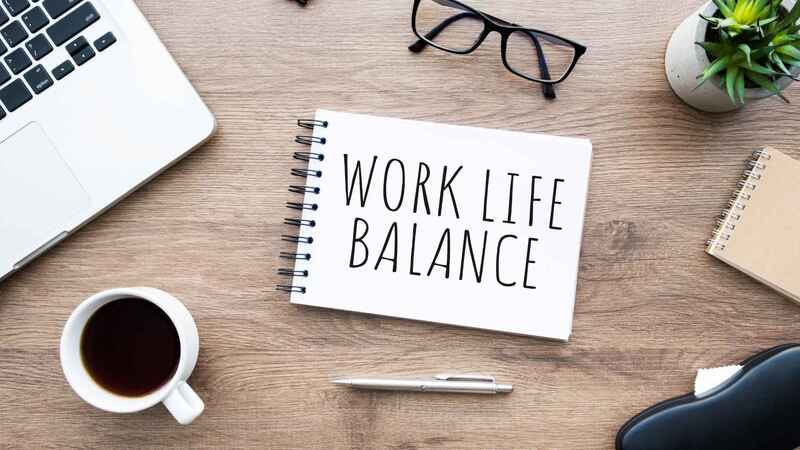
Hybrid work has changed how many professionals structure their working lives. Instead of spending every working day in an office, employees may divide their time between home, the workplace and other suitable locations.
This flexibility can reduce commuting time, provide greater control over working arrangements and support different working styles. However, hybrid work can also create new challenges. Without clear boundaries, work can extend into personal time, communication can become fragmented and employees may find it difficult to disconnect.
Achieving work-life balance in a hybrid work environmentAction therefore requires more than simply having the option to work remotely. It involves creating sustainable working habits, setting clear boundaries, managing priorities effectively and maintaining meaningful connections with colleagues.
For employers, successful hybrid working also requires thoughtful policies, supportive managers and a workplace culture that focuses on outcomes rather than constant availability.
Table of Contents
- What Is Work-Life Balance in a Hybrid Work Environment?
- Does Hybrid Work Improve Work-Life Balance?
- Common Work-Life Balance Challenges in Hybrid Work
- 8 Practical Ways to Improve Work-Life Balance in Hybrid Work
- How Employers Can Support Work-Life Balance in a Hybrid Workplace
- Work-Life Balance and Flexible Working in Malaysia
- How Hybrid Work Can Support Employee Wellbeing
- Is Hybrid Work the Same as Work-Life Integration?
- How Jobseekers Can Evaluate Work-Life Balance When Choosing a Job
- What Does a Sustainable Hybrid Workplace Look Like?
- Final Thoughts
- Frequently Asked Questions
What Is Work-Life Balance in a Hybrid Work Environment?
Work-life balance refers to the ability to manage professional responsibilities alongside personal needs, relationships, health and other aspects of life.
In a hybrid workplace, this balance can look different from traditional office-based work. Employees may have greater flexibility over where they work, but the boundaries between work and personal time can become less visible.
The International Labour Organization (ILO) has found that flexible working arrangements such as telework can support work-life balance by increasing autonomy and reducing commuting time. However, digital connectivity can also contribute to longer working hours and greater overlap between work and personal life if boundaries are not managed effectively.
Work-life balance in hybrid work is therefore not simply about working from home. It is about creating a sustainable relationship between flexibility, productivity, wellbeing and personal time.
Does Hybrid Work Improve Work-Life Balance?
Hybrid work can support work-life balance, but there is no single model that works equally well for every employee or organisation.
The Chartered Institute of Personnel and Development (CIPD) reported in its 2025 research that 80% of surveyed employees said flexible working had a positive impact on their quality of life. The same research found that 74% of organisations surveyed had hybrid working in place.
At the same time, employers reported challenges involving management, organisational culture and employee connection. This highlights an important point: hybrid work can create greater flexibility, but flexibility alone does not guarantee healthy work-life balance.
The quality of the working arrangement matters.
Factors such as workload, management practices, communication expectations, working hours, team collaboration and access to appropriate technology can all influence the employee experience.
Explore Jobs by Specialty
Select a category below to view active openings immediately:
Common Work-Life Balance Challenges in Hybrid Work
Although hybrid work can provide greater flexibility, employees may experience several challenges.
1. Blurred Boundaries Between Work and Personal Life
When the home becomes a workplace, it can be harder to create a clear psychological separation between professional and personal time.
An employee may finish a scheduled workday but continue checking emails, responding to messages or completing tasks later in the evening.
2. Difficulty Disconnecting From Work
Digital communication allows employees to remain connected almost continuously.
Notifications from email, messaging applications and collaboration platforms can make employees feel that they need to remain available even outside normal working hours.
The ILO and World Health Organization (WHO) have highlighted the importance of respecting boundaries between working time and personal time when organising telework.
3. Longer or Less Structured Working Hours
Without a clear routine, employees may start work earlier, take fewer breaks or continue working after their normal working hours.
Over time, this can contribute to fatigue and make it more difficult to maintain a healthy work-life balance.
4. Reduced Social Interaction
Hybrid employees may have fewer spontaneous conversations with colleagues compared with employees who work primarily in an office.
This can affect team connection, collaboration and the sense of belonging within an organisation.
5. Meeting and Communication Overload
Hybrid workplaces often rely heavily on virtual meetings and digital communication.
When communication is not well coordinated, employees may experience excessive meetings, frequent interruptions and difficulty concentrating on important work.
6. Unequal Access to Flexibility
Not every role can be performed remotely.
Employees in manufacturing, healthcare, retail, hospitality, logistics and other location-dependent occupations may have fewer opportunities for remote or hybrid work.
A balanced approach to workplace flexibility should therefore recognise differences between roles rather than assuming that one arrangement suits everyone.
8 Practical Ways to Improve Work-Life Balance in Hybrid Work
Achieving work-life balance is a shared responsibility between employees, managers and organisations. Employees can take practical steps to create healthier working patterns, while employers can provide the structure and support needed for sustainable hybrid working.
1. Establish Clear Working Hours
Create a consistent start and finish time where possible.
A defined working schedule can help separate professional responsibilities from personal time, particularly when working from home.
This does not necessarily mean every employee must follow identical hours. Instead, the goal is to establish clear expectations around availability and working time.
2. Create a Dedicated Workspace
If you regularly work from home, create a clear physical area for work.
A dedicated workspace can help establish a psychological distinction between work and personal activities.
When the working day ends, closing the laptop, organising the workspace and physically leaving the area can also become part of a personal work-from-home routine.
3. Set Digital Boundaries
Technology enables hybrid work, but constant connectivity can undermine work-life balance.
Consider:
- Turning off non-essential notifications after working hours
- Avoiding unnecessary work messages late at night
- Communicating your availability clearly
- Using calendar settings to protect focused work time
- Separating urgent communication from routine communication
The objective is not to eliminate communication, but to make it more intentional.
4. Prioritise Work Rather Than Simply Increasing Working Hours
Productivity should not be measured only by how long someone remains online.
Start the day by identifying the most important tasks and allocate time accordingly.
Useful practices include:
- Setting daily priorities
- Grouping similar tasks together
- Blocking time for focused work
- Taking regular breaks
- Avoiding unnecessary meetings
- Reviewing unfinished tasks before extending the workday
A structured approach can help employees maintain productivity without allowing work to continuously expand into personal time.
5. Use Office Days Intentionally
Hybrid work is not simply about deciding which days to stay home.
Office days can be used strategically for activities that benefit from in-person interaction, such as:
- Team discussions
- Brainstorming
- Relationship building
- Mentoring
- Client meetings
- Collaboration
- Team development
Remote days may then be more suitable for focused individual work.
This approach can make the hybrid workplace more purposeful rather than treating office and remote work as interchangeable.
6. Maintain Social and Professional Connections
Work-life balance does not mean reducing workplace interaction.
Strong professional relationships can support employee wellbeing, collaboration and engagement.
Employees can maintain connection through:
- Regular team check-ins
- Informal conversations
- Mentoring
- Collaborative projects
- Team activities
- In-person meetings when appropriate
Managers also play an important role in ensuring that hybrid employees do not become disconnected from the wider organisation.
7. Protect Breaks, Rest and Personal Time
Taking breaks is part of sustainable productivity.
Employees working remotely may be tempted to eat lunch at their desk, skip breaks or continue working throughout the day.
Instead, build reasonable breaks into the working routine. Where possible, use part of the break to move away from the screen, walk or reset before returning to work.
The WHO also recommends maintaining a healthy balance between work and private life and avoiding consistently working long hours.
8. Review What Is and Is Not Working
Work-life balance is not a one-time achievement.
Review your working arrangement regularly.
Ask yourself:
- Am I regularly working beyond my normal hours?
- Can I disconnect from work at the end of the day?
- Do I have enough time for rest and personal responsibilities?
- Are meetings affecting my productivity?
- Do I have sufficient support from my manager?
- Is my current hybrid schedule helping or creating additional pressure?
If the arrangement is not sustainable, discuss possible adjustments with your manager where appropriate.
Explore Jobs by Specialty
Select a category below to view active openings immediately:
How Employers Can Support Work-Life Balance in a Hybrid Workplace
Work-life balance should not be treated solely as an individual's responsibility.
Employers influence the conditions in which employees work, including workload, working hours, communication expectations, management practices and access to flexible working arrangements.
The CIPD's guidance on flexible and hybrid working highlights the importance of considering employee wellbeing, work-life balance, organisational culture, management capability and business needs when designing flexible working practices.
Employers can support sustainable hybrid work by:
Establishing Clear Hybrid Working Policies
Employees should understand:
- Which roles are eligible for hybrid work
- Expected office attendance
- Core working hours
- Communication expectations
- Meeting practices
- Performance expectations
- Procedures for requesting flexibility
Clear policies can reduce uncertainty and improve consistency.
Managing Performance Through Outcomes
Hybrid employees should not be judged primarily by whether they appear online or physically present.
Managers can focus on:
- Objectives
- Deliverables
- Quality of work
- Collaboration
- Deadlines
- Customer or business outcomes
This helps shift the focus from visibility to performance.
Training Managers to Lead Hybrid Teams
Managing a hybrid team requires different communication and leadership practices.
Managers need to be able to:
- Set clear expectations
- Communicate effectively
- Monitor workloads
- Support employee wellbeing
- Maintain team connection
- Manage performance fairly
- Recognise contributions from both remote and office-based employees
CIPD research has identified effective management and maintaining organisational connection as important considerations in hybrid working.
Monitoring Workload and Burnout Risks
Flexible work should not become an expectation that employees are available at all times.
Managers should regularly review workload and look for signs that employees are consistently working excessive hours or struggling to disconnect.
A healthy hybrid workplace should support sustainable performance rather than simply extending employee availability.
Work-Life Balance and Flexible Working in Malaysia
Flexible working has also become part of Malaysia's employment landscape.
Under Malaysia's Employment Act 1955, employees may apply to vary their hours of work, days of work or place of work through a flexible working arrangement, subject to the relevant legal and employment conditions.
JTKSM states that employees can apply for flexible working arrangements in writing, and employers must approve or refuse the application within 60 days and provide written reasons where an application is refused.
This means that flexible working arrangements in Malaysia can involve more than working from home. Depending on the circumstances, flexibility may relate to when employees work, which days they work or where they work.
For employers, understanding the legal framework is only one part of developing an effective hybrid work policy. Organisations should also consider business requirements, employee wellbeing, team collaboration and the practical needs of different roles.
How Hybrid Work Can Support Employee Wellbeing
Employee wellbeing is closely connected to how work is designed.
The WHO and ILO have noted that well-organised telework can provide potential benefits such as improved work-life balance, greater flexibility and reduced commuting time. However, inadequate planning and support can contribute to risks including isolation, prolonged sitting, screen-related strain, stress and burnout.
This reinforces the importance of looking beyond whether an employee is working from home.
A healthy hybrid workplace should consider:
- Workload
- Working hours
- Breaks and recovery
- Physical workspace
- Mental wellbeing
- Social connection
- Manager support
- Communication practices
- Opportunities for professional development
Hybrid work should ultimately support sustainable performance rather than simply relocate work from an office to a home.
Is Hybrid Work the Same as Work-Life Integration?
The terms work-life balance and work-life integration are sometimes used interchangeably, but they describe slightly different approaches.
Work-life balance generally focuses on maintaining a healthy separation between professional and personal responsibilities.
Work-life integration recognises that professional and personal responsibilities may overlap and focuses on managing that overlap effectively.
For example, an employee might adjust their schedule to attend an important personal appointment and complete work at another suitable time.
Neither approach is automatically better for everyone.
The most suitable approach depends on the individual's role, responsibilities, working preferences and organisational expectations.
What matters is whether the working arrangement remains sustainable and allows employees to meet both professional and personal responsibilities without creating excessive stress.
How Jobseekers Can Evaluate Work-Life Balance When Choosing a Job
Work-life balance can also be considered during a job search.
When evaluating a potential employer, candidates can ask about:
- Hybrid or remote work policies
- Expected office attendance
- Flexible working arrangements
- Core working hours
- Overtime expectations
- Communication outside working hours
- Team meeting practices
- Performance expectations
- Leave policies
- Employee wellbeing initiatives
- Career development opportunities
Candidates should avoid assuming that a job described as "hybrid" automatically provides strong work-life balance.
The actual arrangement can vary significantly between employers and even between departments within the same organisation.
Asking clear questions during the recruitment process can help candidates understand whether the working environment aligns with their expectations.
What Does a Sustainable Hybrid Workplace Look Like?
A sustainable hybrid workplace is not necessarily one where employees spend the maximum possible number of days at home or in the office.
Instead, it is one where the working model supports:
Business needs + employee productivity + collaboration + flexibility + wellbeing
The right balance will differ by organisation and role.
CIPD's 2026 guidance emphasises that flexible working can support employee wellbeing, work-life balance, job satisfaction and talent attraction and retention, while also recognising that organisations need to design arrangements according to their own operational requirements.
This is why there is no universal formula for hybrid work.
The objective should be to design a working environment where employees understand expectations, have appropriate flexibility and can perform effectively without compromising sustainable wellbeing.
Final Thoughts
Work-life balance in a hybrid work environment is not achieved simply by working fewer days in the office.
It requires intentional boundaries, effective time management, clear communication and a working culture that supports both productivity and wellbeing.
For employees, this means creating sustainable routines, protecting personal time, managing digital communication and using flexibility responsibly.
For employers and managers, it means designing clear hybrid working policies, focusing on outcomes, monitoring workloads and maintaining connection across distributed teams.
As flexible working continues to evolve in Malaysia and globally, organisations that approach hybrid work thoughtfully can create working environments that recognise both business requirements and the needs of their people.
Ultimately, successful hybrid work is not about choosing between flexibility and productivity. It is about creating a sustainable way of working that supports both.
Frequently Asked Questions
1. What is work-life balance in a hybrid work environment?
Work-life balance in a hybrid work environment means managing professional responsibilities alongside personal time, health, relationships and other priorities while working across office and remote settings.
2. Does hybrid work improve work-life balance?
Hybrid work can improve work-life balance by providing greater flexibility and reducing commuting time. However, excessive working hours, poor boundaries and constant digital connectivity can reduce these benefits.
3. How can I maintain work-life balance when working from home?
Set clear working hours, create a dedicated workspace, take regular breaks, manage notifications and establish a clear end-of-day routine. These practices can help separate work from personal time.
4. What are the biggest challenges of hybrid work?
Common challenges include blurred work-life boundaries, difficulty disconnecting, communication overload, reduced social interaction, excessive meetings and inconsistent expectations around availability.
5. How can employers support work-life balance?
Employers can establish clear flexible working policies, set realistic workloads, focus on outcomes, train managers, support employee wellbeing and create clear expectations around working hours and communication.
6. What is the difference between hybrid work and remote work?
Hybrid work combines office-based and remote working, while fully remote work generally means employees work outside a central workplace on a more permanent basis.
7. Can employees request flexible working arrangements in Malaysia?
Under Malaysia's Employment Act 1955, employees may apply for flexible working arrangements involving changes to working hours, working days or place of work, subject to the applicable requirements and employment conditions.
8. How can I ask an employer about work-life balance during an interview?
Candidates can ask specific questions about hybrid working arrangements, office attendance, working hours, overtime expectations, flexibility, communication outside working hours and how the team collaborates.
9. Can hybrid work affect employee wellbeing?
Yes. Hybrid work can provide benefits such as flexibility and reduced commuting, but poorly managed arrangements may contribute to isolation, prolonged screen time, stress or difficulty disconnecting from work.
10. Is there a perfect hybrid working model?
No. The appropriate hybrid working model depends on the organisation, role, team, business requirements and individual circumstances. A sustainable approach should balance flexibility, productivity, collaboration and employee wellbeing.
Explore Jobs by Specialty
Select a category below to view active openings immediately:
Disclaimer:
The information provided in our blog articles is intended for general informational purposes only. It is not a substitute for professional advice and should not be relied upon as such.
While we strive to provide accurate and up-to-date information, the ever-evolving nature of certain topics may result in content becoming outdated or inaccurate over time. Therefore, we recommend consulting with qualified professionals or experts in the respective fields for specific advice or guidance. Any actions taken based on the information contained in our blog articles are solely at the reader's discretion and risk. We do not assume any responsibility or liability for any loss, damage, or adverse consequences incurred as a result of such actions.
We may occasionally provide links to external websites or resources for further information or reference. These links are provided for convenience and do not imply endorsement or responsibility for the content or accuracy of these external sources. Our blog articles may also include personal opinions, views, or interpretations of the authors, which do not necessarily reflect the views of our organisation as a whole. We encourage readers to verify the accuracy and relevance of information presented in our blog articles and to seek professional advice when needed.
Your use of this website and its content constitutes acceptance of this disclaimer.
Related Post
 How to Adapt Your Career as AI and Technology Change the WorkplaceCareer Advice
Artificial intelligence (AI), automation and digital technologies are changing how organisations operate, how jobs are performed and what employers...
 How HR Evaluates Candidates During InterviewsCareer Advice
Job interviews can feel challenging because candidates may not always know what HR are looking for beyond their CV and previous work experience. In...
 Interview Tips After Being Retrenched: How to Explain Job Loss to EmployersCareer Advice
Being retrenched can make a job search feel more challenging, particularly when you need to explain your employment situation during a job...
 What Is a Job Description and Why Does It Matter When Hiring in Malaysia?Career Advice
A job description is more than a list of duties attached to a job vacancy. It is a structured document that explains what a role involves, what...