Middle East Crisis and Its Effect on Malaysia’s Food Prices and Daily Expenses
GeneralMarch 18, 2026 10:00
Middle East Crisis and Its Effect on Malaysia’s Food Prices and Daily Expenses
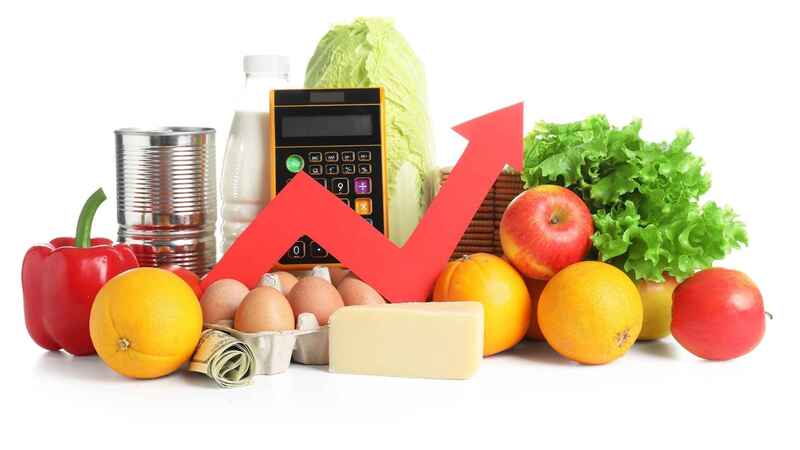
The ongoing Middle East crisis has become a major geopolitical event with global economic implications. While Malaysia is geographically distant from the conflict zone, the country remains connected to the global economy through international trade, energy markets, and supply chains. As a result, developments in the Middle East can influence food prices in Malaysia, grocery costs, and the overall cost of living.
Economists warn that geopolitical tensions often trigger ripple effects through global oil prices, shipping costs, fertiliser prices, and agricultural supply chains, which ultimately affect consumer prices worldwide. Understanding how these dynamics influence Malaysia’s food inflation and daily household expenses is crucial for businesses, policymakers, and Malaysian consumers in 2026.
1. Global Oil Prices and Transportation Costs
One of the most immediate economic impacts of the Middle East conflict is the surge in global oil prices. The region plays a critical role in global energy supply, and disruptions to key shipping routes such as the Strait of Hormuz can significantly affect energy markets. Rising oil prices often translate into higher fuel costs, transportation fees, and logistics expenses, which eventually influence food prices and consumer goods.
Economists note that transport-related costs typically rise first during geopolitical conflicts, as logistics operations are highly sensitive to fluctuations in fuel prices. As transportation costs increase, these additional expenses are gradually passed on to businesses and consumers in the form of higher retail prices.
For Malaysia, where food distribution relies heavily on domestic and international transportation networks, higher fuel prices can contribute to rising food supply chain costs and grocery prices.
2. Global Supply Chain Disruptions and Food Inflation
Another factor connecting the Middle East crisis to Malaysian food prices is the disruption of global supply chains. Conflict in the region can affect the movement of commodities, shipping routes, and agricultural inputs such as fertilisers.
International analysts warn that rising costs of fertilisers, energy, and agricultural inputs could trigger a second wave of global inflation affecting food production worldwide.
When production costs increase for global agriculture, the price of staple commodities such as:
-
Wheat
-
Corn and animal feed
-
Cooking oil
-
Fertilisers
may rise. These commodities are essential inputs in food manufacturing and agriculture, which means higher global prices can influence Malaysia’s imported food costs and retail grocery prices.
3. Malaysia’s Food Supply Situation and Import Sources
Despite global uncertainty, Malaysian authorities have reassured the public that the country’s food supply remains stable. According to the Ministry of Agriculture and Food Security, Malaysia sources the majority of its food imports from countries outside the Middle East, including ASEAN nations, India, Pakistan, Australia, Brazil, and New Zealand.
This diversified sourcing strategy helps shield Malaysia from direct supply disruptions caused by the conflict. In addition, the government maintains buffer stocks of essential food items, including rice reserves that can cover several months of domestic demand.
However, experts caution that prolonged geopolitical tensions could still raise the cost of imported goods due to higher freight charges, fuel costs, and global commodity prices.
4. Impact on Malaysia’s Cost of Living
Even when food supply remains stable, prolonged global conflicts can still affect Malaysia’s cost of living through imported inflation. Higher energy prices, shipping costs, and agricultural inputs can gradually push up prices across the economy.
Economic experts highlight that commodities such as wheat, flour-based products, animal feed, edible oils, and fertilisers are closely linked to global market benchmarks. If these inputs become more expensive, the effects can cascade through the food supply chain and eventually increase retail food prices.
This means Malaysian households may experience rising costs in everyday spending categories such as:
-
Groceries and food products
-
Dining and restaurant prices
-
Transportation expenses
-
Household essentials
These trends contribute to broader inflation pressures and rising daily expenses for Malaysian families.
5. Government Monitoring and Economic Mitigation Measures
To mitigate potential economic impacts, Malaysian authorities are actively monitoring developments related to the Middle East crisis. Government agencies are assessing possible effects on the national food sector, supply chains, and price stability.
Officials emphasize that panic buying is unnecessary, as food supply remains sufficient and monitoring mechanisms are in place to manage potential disruptions.
In addition, the government continues to implement policies aimed at stabilizing the cost of living, food supply security, and domestic agriculture production.
Conclusion
Although Malaysia is not directly involved in the Middle East conflict, the crisis still carries potential economic implications through global markets. Rising oil prices, higher logistics costs, and disruptions to agricultural supply chains could influence food prices and daily living expenses in Malaysia over time.
However, Malaysia’s diversified food import network, strategic buffer stocks, and government monitoring mechanisms help provide resilience against immediate supply shocks. As global conditions evolve, businesses and consumers alike should remain aware of how geopolitical risks, global commodity prices, and international trade dynamics may affect Malaysia’s economic landscape in 2026.
About us
At Reeracoen Malaysia, we are a leading recruitment and executive search firm, dedicated to connecting top talent with the right employers nationwide. Whether you’re a company seeking qualified professionals or a candidate aiming to advance your career, our expert consultants are here to support you.
🔹 For Employers: Get a Free Consultation to discuss your hiring needs and discover how we can help you find the right talent faster.
🔹 For Jobseekers: Explore the Latest Job Opportunities and take the next step toward your career goals today.
With years of experience in Malaysia’s job market, Reeracoen Malaysia continues to bridge opportunities between employers and job seekers — empowering growth, innovation, and success.

Disclaimer:
The information provided in our blog articles is intended for general informational purposes only. It is not a substitute for professional advice and should not be relied upon as such.
While we strive to provide accurate and up-to-date information, the ever-evolving nature of certain topics may result in content becoming outdated or inaccurate over time. Therefore, we recommend consulting with qualified professionals or experts in the respective fields for specific advice or guidance. Any actions taken based on the information contained in our blog articles are solely at the reader's discretion and risk. We do not assume any responsibility or liability for any loss, damage, or adverse consequences incurred as a result of such actions.
We may occasionally provide links to external websites or resources for further information or reference. These links are provided for convenience and do not imply endorsement or responsibility for the content or accuracy of these external sources. Our blog articles may also include personal opinions, views, or interpretations of the authors, which do not necessarily reflect the views of our organisation as a whole. We encourage readers to verify the accuracy and relevance of information presented in our blog articles and to seek professional advice when needed.
Your use of this website and its content constitutes acceptance of this disclaimer.
References
- The Star Malaysia. Transport and Food Prices to Face Early Impact from Middle East Conflict – Economists (2026).
- Business Insider. How Middle East Tensions Could Drive Global Food Inflation Through Oil and Fertilizer Prices (2026).
- The Star Malaysia. Food Supply Stable Despite Middle East Tensions, Says Minister (2026).
- Business Today Malaysia. Malaysia’s Food Supply Unaffected by US-Iran Conflict, Minister Assures Public (2026).
- New Straits Times. Prolonged War Could Raise Cost of Living, Say Experts (2026).
- New Straits Times. Government Assures Sufficient Food Supply Despite Middle East Tensions (2026).
Related Post
 “I’m Here for You”: When the Reeracoen Way Became More Than WordsGeneral
In a children’s village in the Philippines, far from Reeracoen’s offices across Asia, a familiar message began to play. “I’m Here for You.” This...
 Merdeka Day 2026: Best Wishes, Greetings & MessagesGeneral
Merdeka Day 2026, also known as Malaysia National Day or Hari Kebangsaan, will be celebrated on 31 August 2026. This year marks the 69th...
 How to Claim Free HRD Corp Courses: A Guide for Malaysian EmployeesGeneral
In today’s competitive job market, continuous learning and skills development have become essential for career growth. Whether you are looking to...
 Online Passport Renewal Malaysia: Step-by-Step Guide and MyImmigration TipsGeneral
Renewing your passport no longer requires spending hours waiting at an immigration counter. With the introduction of online passport renewal...