F1 Is Back in Malaysia: How Sports Tourism Could Create New Career Opportunities
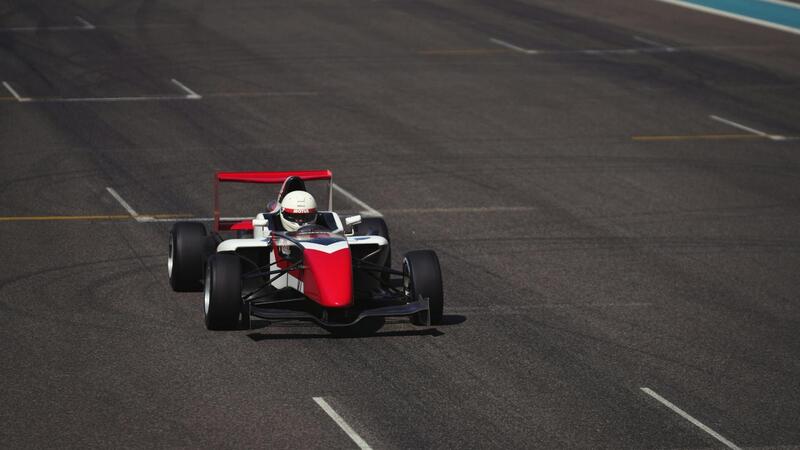
Formula 1 has returned to Malaysia.
From 2 to 4 October 2026, the Sepang International Circuit hosted the Formula 1 Gulf Air Bahrain Grand Prix in Malaysia, marking F1’s return to Sepang after a nine-year absence. The event was a unique arrangement: the Bahrain Grand Prix was relocated to Malaysia after the original race could not take place, allowing the 2026 F1 calendar to continue.
For motorsport fans, the return of F1 to Sepang was a major sporting moment. For Malaysia’s economy and labour market, however, the bigger story may be what happened beyond the racetrack.
The event demonstrated how sports tourism in Malaysia can generate activity across hotels, restaurants, transportation, retail, travel, entertainment and other services. It also highlighted the range of skills required to support a major international event, from logistics and customer service to digital marketing, operations and project management.
The race itself lasted only one weekend. The economic and employment opportunities connected to sports tourism can potentially last much longer.
Table of Contents
- Malaysia’s F1 Return Is Also a Sports Tourism Opportunity
- 1. How Sports Tourism Can Create Employment Opportunities
- 2. Tourism and Hospitality: More Visitors, More Business Activity
- 3. Transport and Logistics: Moving People Is Part of the Experience
- 4. Retail and F&B Can Benefit From Sports Tourism Spending
- 5. The Career Opportunities Go Beyond Temporary Event Jobs
- 6. What Skills Will Employers Need?
- 7. Sports Tourism Can Create Opportunities for Career Mobility
- 8. From F1 to a Broader Sports Tourism Strategy
- 9. What Employers Should Consider
- 10. What Jobseekers Can Learn From F1's Return
- Beyond the Race: Building Careers Around a Growing Tourism Economy
Malaysia’s F1 Return Is Also a Sports Tourism Opportunity
Malaysia has a long history of using international sporting events to attract visitors and showcase the country to a global audience.
The return of Formula 1 reinforces this potential.
Before the 2026 event, the Ministry of Tourism, Arts and Culture (MOTAC) projected that around 300,000 tourists could attend the F1 weekend, including approximately 50,000 international visitors. Hong Leong Bank Research estimated that the event could generate around RM1.3 billion in economic impact through sports tourism and foreign visitor spending.
The actual event attracted a record 261,000 spectators, according to Bernama. Reporting after the event indicated that the race generated an estimated RM1.3 billion in overall economic impact.
These numbers matter because sports tourism is not limited to people buying a ticket and watching a race.
Visitors need somewhere to stay. They need transportation. They eat at restaurants, visit shopping centres, purchase local products and may extend their trips to explore other destinations.
This creates what can be described as a sports tourism ecosystem, where an international event generates demand across multiple industries.
For Malaysia, the opportunity is therefore bigger than F1 itself.
1. How Sports Tourism Can Create Employment Opportunities
Sports tourism can influence employment through several channels.
When an international event brings additional visitors into the country, businesses may experience higher demand for their products and services. In turn, companies may need more employees, longer operating hours or additional operational support.
The impact can be particularly relevant to Malaysia’s Services sector.
DOSM reported that Malaysia’s labour market continued to grow in July 2026, with 16.85 million employed persons. The Services sector remained the primary driver of employment growth, with contributions from areas including arts, entertainment and recreation, accommodation and food and beverage services, and financial and insurance activities.
This means sports tourism can potentially create employment opportunities within an existing employment ecosystem rather than operating separately from the broader Malaysian labour market.
Potential roles connected to sports tourism include:
- Hotel and hospitality staff
- Guest relations executives
- Travel and tourism professionals
- Event coordinators
- Customer service executives
- Retail sales professionals
- Restaurant and F&B staff
- Logistics coordinators
- Transport operations staff
- Marketing and digital marketing executives
- Procurement professionals
- Security and venue operations personnel
- Finance and administrative professionals
- Project management professionals
Not every position will be created directly because of an F1 race. Some opportunities may be temporary, seasonal or project-based.
However, repeated investment in major sporting events and tourism activities can contribute to broader business growth, creating more sustainable demand for skilled workers over time.
2. Tourism and Hospitality: More Visitors, More Business Activity
Tourism is one of the most obvious areas where sports events can create economic activity.
An international F1 audience may arrive several days before the race and stay beyond the final chequered flag. Some visitors may combine the event with holidays, business meetings, shopping or cultural experiences.
That creates opportunities beyond hotels located near Sepang.
Visitors may stay in Kuala Lumpur or Selangor, travel through KLIA, visit shopping malls, dine at restaurants, use e-hailing services and explore attractions across the country.
Malaysia’s tourism sector was already experiencing strong domestic activity in 2026. According to DOSM, Malaysia recorded 76.9 million domestic visitors in the second quarter of 2026, while domestic tourism expenditure reached RM32.8 billion, representing a 12.3% year-on-year increase.
This broader tourism momentum provides an important context for understanding the potential employment impact of sports tourism.
Businesses that benefit from higher visitor demand may require employees with skills in:
Hospitality and guest services
Managing reservations, check-ins, customer enquiries and visitor experiences.
Food and beverage
Supporting restaurants, cafés, hotels, catering businesses and event-related F&B operations.
Travel and tourism
Creating travel experiences, coordinating tours and supporting visitors.
Customer experience
Helping local and international customers navigate services efficiently.
Sales and marketing
Promoting tourism products, hospitality services, attractions and event-related experiences.
The career opportunities created by sports tourism therefore extend beyond the traditional idea of a “sports job”.
3. Transport and Logistics: Moving People Is Part of the Experience
A major sporting event also creates a significant logistical challenge.
Thousands of visitors need to move between airports, hotels, venues, restaurants and other destinations. Equipment, merchandise, food and event materials also need to reach the right locations at the right time.
The 2026 F1 weekend provided a practical example.
During the event, transport operators faced significant demand, with reports of spectators experiencing delays and difficulties getting to and from Sepang. Transport operators subsequently worked with relevant authorities and the Sepang International Circuit to improve passenger flow and transportation coordination.
The experience highlights why transport and logistics jobs in Malaysia are increasingly important to the wider tourism and events ecosystem.
Potential career areas include:
- Logistics planning
- Supply chain management
- Fleet management
- Transportation operations
- Warehouse management
- Procurement
- Inventory control
- Import and export coordination
- Event logistics
- Route planning
- Customer operations
These are not skills that apply only to sporting events.
Malaysia is an important regional centre for manufacturing, trade, logistics and business services. Professionals who develop strong supply chain, transportation and operational skills can potentially apply those capabilities across multiple industries.
Explore Jobs by Specialty
Select a category below to view active openings immediately:
4. Retail and F&B Can Benefit From Sports Tourism Spending
The economic impact of sports tourism can also be seen at the consumer level.
Visitors need food, drinks, shopping, entertainment and everyday services. This creates opportunities for both larger businesses and small and medium enterprises (SMEs).
Bernama reported that the 2026 F1 event generated opportunities for local entrepreneurs and small traders, including businesses providing food and other services around the Sepang area.
This matters from an employment perspective.
A restaurant experiencing higher visitor traffic may need additional service staff. A retailer may need more sales employees. A hotel may need additional housekeeping or guest services personnel. A supplier may need warehouse or delivery staff.
These individual hiring decisions may appear small, but collectively they form part of the employment impact of tourism growth.
For jobseekers, this creates opportunities across functions such as:
- Retail sales
- Store operations
- Restaurant management
- F&B service
- Purchasing
- Inventory management
- Customer service
- Marketing
- Digital marketing
- Business operations
The important point is that sports tourism does not necessarily create entirely new occupations. Instead, it can increase demand for existing skills across the economy.
5. The Career Opportunities Go Beyond Temporary Event Jobs
One common misconception about major sporting events is that their employment impact is limited to temporary event workers.
Temporary positions can certainly form part of the ecosystem, but the longer-term opportunity lies in the businesses and industries that grow around the event.
Consider the chain:
International event → visitors → spending → business demand → workforce demand
A hotel may increase staffing because of higher occupancy.
A restaurant may expand because of increased customer traffic.
A logistics company may require additional operational support.
A travel company may develop new packages.
A retailer may increase inventory and staffing.
A marketing agency may support tourism campaigns.
These activities can create demand for both operational and professional talent.
Malaysia's labour market already reflects the importance of these sectors. DOSM reported that wholesale and retail trade, accommodation and food and beverage services, and transportation and storage were among the areas supporting employment within the Services sector in 2026.
This suggests that the career impact of sports tourism should be viewed as part of the wider Malaysia employment market, rather than as a separate category of “sports jobs”.
6. What Skills Will Employers Need?
As Malaysia develops its sports tourism ecosystem, employers may increasingly value employees who can combine technical knowledge with strong interpersonal and operational skills.
Customer service and communication
International visitors expect clear communication, efficient service and professional support. Employees who can communicate confidently with people from different cultural and language backgrounds can add value in tourism, hospitality, retail and other customer-facing environments.
Digital marketing
Sports tourism creates opportunities for hotels, restaurants, attractions and tourism operators to reach international audiences through social media, search engines and digital campaigns. Digital marketing professionals can play an important role in turning event exposure into actual visitor spending.
Event and project management
Large-scale events involve strict deadlines, multiple suppliers, budgets and stakeholders. Project management skills can therefore be valuable not only within the events industry but also across business operations.
Logistics and supply chain
Moving people, equipment and products efficiently requires planning and coordination. Professionals with supply chain management, procurement and logistics skills can support both sports tourism and Malaysia's broader business ecosystem.
Data and technology
Modern tourism increasingly relies on online booking systems, digital payments, customer data, analytics, ticketing platforms and other technologies. Employees who understand how technology can improve customer experience and operational efficiency may become increasingly valuable.
Adaptability and problem-solving
Large events rarely go exactly according to plan. Employees need to respond quickly to changes in demand, traffic, weather, customer requirements and operational conditions. Adaptability is therefore an increasingly important career skill.
Explore Jobs by Specialty
Select a category below to view active openings immediately:
7. Sports Tourism Can Create Opportunities for Career Mobility
Another potential benefit of sports tourism is that it can strengthen the transferability of skills between industries.
For example, a customer service professional working in hospitality may develop skills that are useful in retail or travel.
A logistics coordinator supporting an event may gain experience applicable to manufacturing or supply chain management.
A digital marketer working on a tourism campaign may later apply the same skills to consumer brands or other industries.
This type of career mobility in Malaysia is increasingly relevant as employers look for candidates who can adapt to changing business needs.
The Malaysian labour market is already showing continued demand across multiple sectors. DOSM reported that Malaysia had 9.23 million jobs in the first quarter of 2026, with 194,800 vacancies. Labour demand increased 1.8% year-on-year, while the Services sector remained a major contributor.
For jobseekers, this means developing skills that can travel across industries may be just as important as choosing a single industry to specialise in.
8. From F1 to a Broader Sports Tourism Strategy
F1 is only one example of how Malaysia can use international sporting events to support tourism.
Tourism Malaysia has also been actively promoting sports tourism through other events and initiatives.
In September 2026, Tourism Malaysia highlighted cycling tourism as part of its strategy to strengthen Malaysia's position as an experiential sports tourism destination and develop new tourism products for international visitors.
Tourism Malaysia also used the 2026 Citrawarna Speed Festival to combine motorsport-related experiences with Malaysian culture and tourism. The programme ran across locations including IOI City Mall Putrajaya, KLIA Terminal 1 and Sama-Sama Hotel, with the aim of using motorsport appeal to attract visitors and showcase Malaysia's cultural offerings.
This broader approach is significant.
The opportunity is not simply to host one major sporting event. It is to develop a sports tourism ecosystem in which sporting events connect with hotels, tourism operators, restaurants, retail, transportation, culture and local businesses.
That can create more consistent demand for talent across multiple industries.
9. What Employers Should Consider
For Malaysian employers, the growth of sports tourism provides another reason to think strategically about workforce planning.
Demand can increase quickly when major events take place. Companies that are prepared may be better positioned to capture additional business opportunities.
Employers in tourism, hospitality, retail, F&B, logistics and related services may need to consider:
- How quickly can we scale our workforce?
- Do our employees have the right customer service skills?
- Can our teams support international customers?
- Do we have enough operational and logistics expertise?
- Can our digital channels handle increased demand?
- Which skills should we develop internally?
- When should we begin recruiting for seasonal or project-based demand?
These questions are relevant beyond Formula 1.
They are part of a broader shift towards more flexible and responsive workforce planning.
10. What Jobseekers Can Learn From F1's Return
For jobseekers, the return of F1 to Malaysia offers a useful reminder that career opportunities are often created indirectly.
You do not need to work for Formula 1 to benefit from the growth of sports tourism.
If you have experience in:
- Customer service
- Hospitality
- Sales
- Marketing
- Digital marketing
- Logistics
- Supply chain
- Procurement
- Retail
- F&B
- Finance
- Administration
- Technology
- Project management
your skills may already be relevant to businesses operating within the wider tourism and events ecosystem.
The key is to understand how your skills create business value.
Instead of focusing only on job titles, jobseekers can consider the capabilities they can offer an employer: communicating with customers, coordinating operations, managing suppliers, analysing data, solving problems or supporting business growth.
These transferable skills can open doors across industries.
Beyond the Race: Building Careers Around a Growing Tourism Economy
F1's return to Sepang was more than a sporting comeback.
The record 261,000 spectators and estimated RM1.3 billion economic impact demonstrated how an international event can generate activity across tourism, hospitality, retail, F&B, transportation and other services.
But the more important question is what happens after the crowds leave.
If Malaysia continues to strengthen its position as a sports tourism destination, the potential benefits could extend beyond individual events. Tourism businesses may grow, SMEs may gain new customers, and employers may require more people with customer-facing, operational, digital and technical skills.
For jobseekers, this creates an important opportunity to think beyond traditional career paths.
Sports tourism does not only create sports jobs. It creates demand for people who can make the entire visitor experience work.
From hotels and restaurants to logistics companies, retailers, travel operators, technology providers and marketing teams, a wide range of businesses can participate in the sports tourism economy.
For employers, the priority is to build agile teams with the right skills to respond to changing demand.
For jobseekers, the opportunity is to develop transferable skills that remain valuable across industries.
And for Malaysia, the longer-term opportunity is to turn international sporting events into sustainable tourism, business and career opportunities that extend far beyond the racetrack.
Explore Jobs by Specialty
Select a category below to view active openings immediately:
Disclaimer:
The information provided in our blog articles is intended for general informational purposes only. It is not a substitute for professional advice and should not be relied upon as such.
While we strive to provide accurate and up-to-date information, the ever-evolving nature of certain topics may result in content becoming outdated or inaccurate over time. Therefore, we recommend consulting with qualified professionals or experts in the respective fields for specific advice or guidance. Any actions taken based on the information contained in our blog articles are solely at the reader's discretion and risk. We do not assume any responsibility or liability for any loss, damage, or adverse consequences incurred as a result of such actions.
We may occasionally provide links to external websites or resources for further information or reference. These links are provided for convenience and do not imply endorsement or responsibility for the content or accuracy of these external sources. Our blog articles may also include personal opinions, views, or interpretations of the authors, which do not necessarily reflect the views of our organisation as a whole. We encourage readers to verify the accuracy and relevance of information presented in our blog articles and to seek professional advice when needed.
Your use of this website and its content constitutes acceptance of this disclaimer.
References
- Formula 1 / FIA – Malaysia will host the 2026 Bahrain Grand Prix at Sepang International Circuit
- Bernama – Malaysia’s F1 Return Could Fuel Over RM1 Billion Economic Activity
- Bernama – Infusing Phenomenal Success Of Formula One Into Budget 2027
- Bernama – Malaysia’s ‘Mega Sports Weekend’ Set To Boost Tourism, Economic Growth
- Department of Statistics Malaysia (DOSM) – Malaysia’s Domestic Tourism Survey, Second Quarter 2026
- Department of Statistics Malaysia (DOSM) – Labour Force Statistics, July 2026
- Department of Statistics Malaysia (DOSM) – Labour Market Review, First Quarter 2026
- Tourism Malaysia – Citrawarna Speed Festival 2026 Brings Malaysia’s Cultural Vibrancy to the World of Speed
- Tourism Malaysia – Tourism Malaysia Collaborates with MYSTA & Bike Aid Singapore to Boost Cycling Tourism
Related Post
 Beyond the Race What F1’s Return to Malaysia Means for Jobs, Talent and the EconomyMarket Insight
Formula 1 returned to the Sepang International Circuit in October 2026 after a nine-year absence, bringing more than high-speed racing back to...
 Neither Optimistic Nor Pessimistic: Decoding Malaysia's Divided 2026 OutlookMarket Insight
The Story Behind the Survey Malaysia's economic outlook for 2026 is genuinely split. According to The Great Restructuring: ASEAN Consumer &...
 Malaysia's Domestic Growth Focus: What the 2026 Data Means for EmployersMarket Insight
The Story Behind the Survey Malaysian businesses report the strongest domestic-market orientation of any ASEAN market surveyed in 2026. According...
 More Malaysians Are Looking Beyond One Paycheque: What the ASEAN Data Says About Careers in 2026Market Insight
The Story Behind the Survey For many Malaysian professionals, career planning in 2026 is no longer only about whether to stay in a job or look for...